


Our consultation is an initial conversation to understand your project, the property, and your desired outcome for the space. We talk through goals, constraints, and overall direction, and discuss ballpark budget ranges. This step is about context and fit—on both sides—before offering a design engagement.
What we cover:
Outcome:
A clear understanding of what you're going for and whether a design engagement makes sense.
The Draft stage is what sets us apart. We start by taking measurements - including elevations and 3d scans to create a Base Map of your property’s existing conditions. Our measurements are supplemented by referencing satellite images and any surveys or architectural plans you may have.
Our Draft meeting is a video screen share focused on shape, feel and arrangement. The design concepts are unfinished and ready for revision. Because most of the direction of the design is figured out during this call, this approach saves weeks - even months - of back and fourth revisions. The result is a design direction that combines your style and input guided by our expertise.
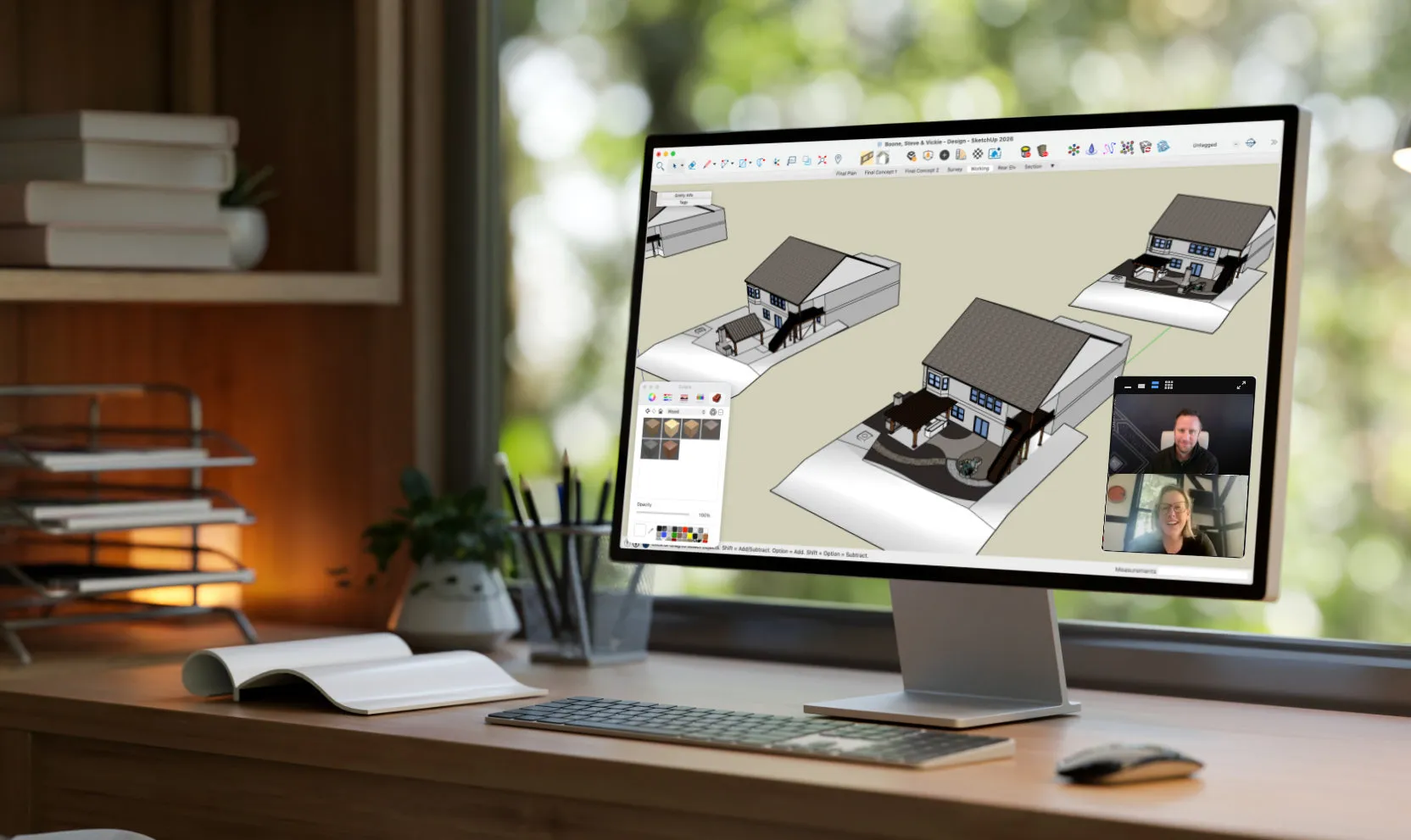
The revise stage is where we refine the design and begin seeing how our decisions impact the overall costs. While the design may appear finished, it’s still very much a draft. We’ll meet at your property to review everything in person, discuss your thoughts, and make any necessary adjustments.
It’s important to note that most clients make significant changes at this stage. No matter the budget, there are always adjustments—whether it’s cutting back on certain elements or adding new ideas that weren’t part of the original vision. This is a normal part of the process, and we’ll work together to ensure the design fits both your vision and your budget.
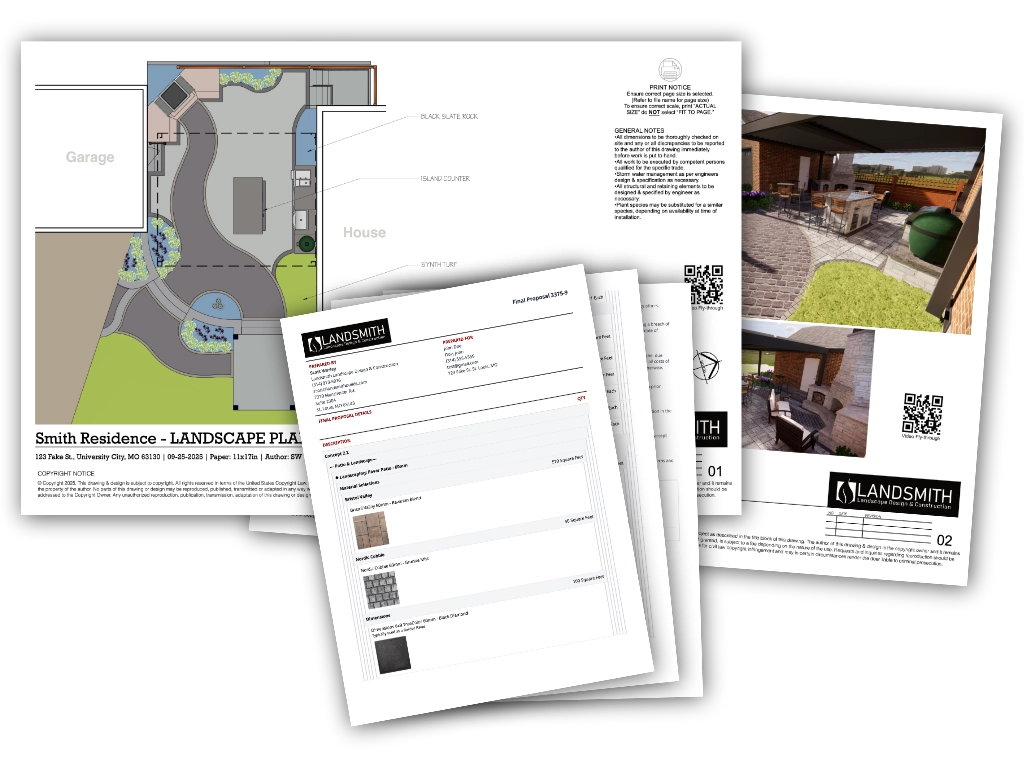
This stage marks the end of the design engagement and the transition to final proposals and details. We provide detailed proposal options outlining the overall project cost, along with any required retainers for items that need architectural or civil engineering involvement, such as custom pavilions, engineered retaining walls, or pools. These retainers are based on design takeoffs and represent confident estimates grounded in the finalized plan.
While the design is finalized, a limited number of revisions are still available at this stage. These are intended for small refinements to align the proposal, not for significant design changes. If additional design effort is needed beyond this scope, we can discuss options for expanded design work, though it is uncommon.
Once a project is booked, we move into pre-construction.
We prepare construction documentation, coordinate trades, and begin securing materials and required approvals. Long-lead or price-sensitive items are ordered early when appropriate, and any necessary engineering, permitting, or HOA approvals are submitted.
As approvals are finalized, minor refinements are common. In the rare case that scope, design, or cost are significantly affected—impacting the project’s viability—we’ll review the findings together and discuss options before moving forward. If the project is no longer viable, we’ll offer a refund of the project deposit minus completed design and engineering costs.
Scheduling also begins to take shape during this phase. Because groundwork is highly weather-dependent, we establish a start window rather than a fixed date. Once permitting is approved and core trades are secured, that window is shared through your Client Portal and refined as conditions become clearer.
Before construction begins, we’ll schedule a walkthrough to review site access, paint the layout, and set up the document box.
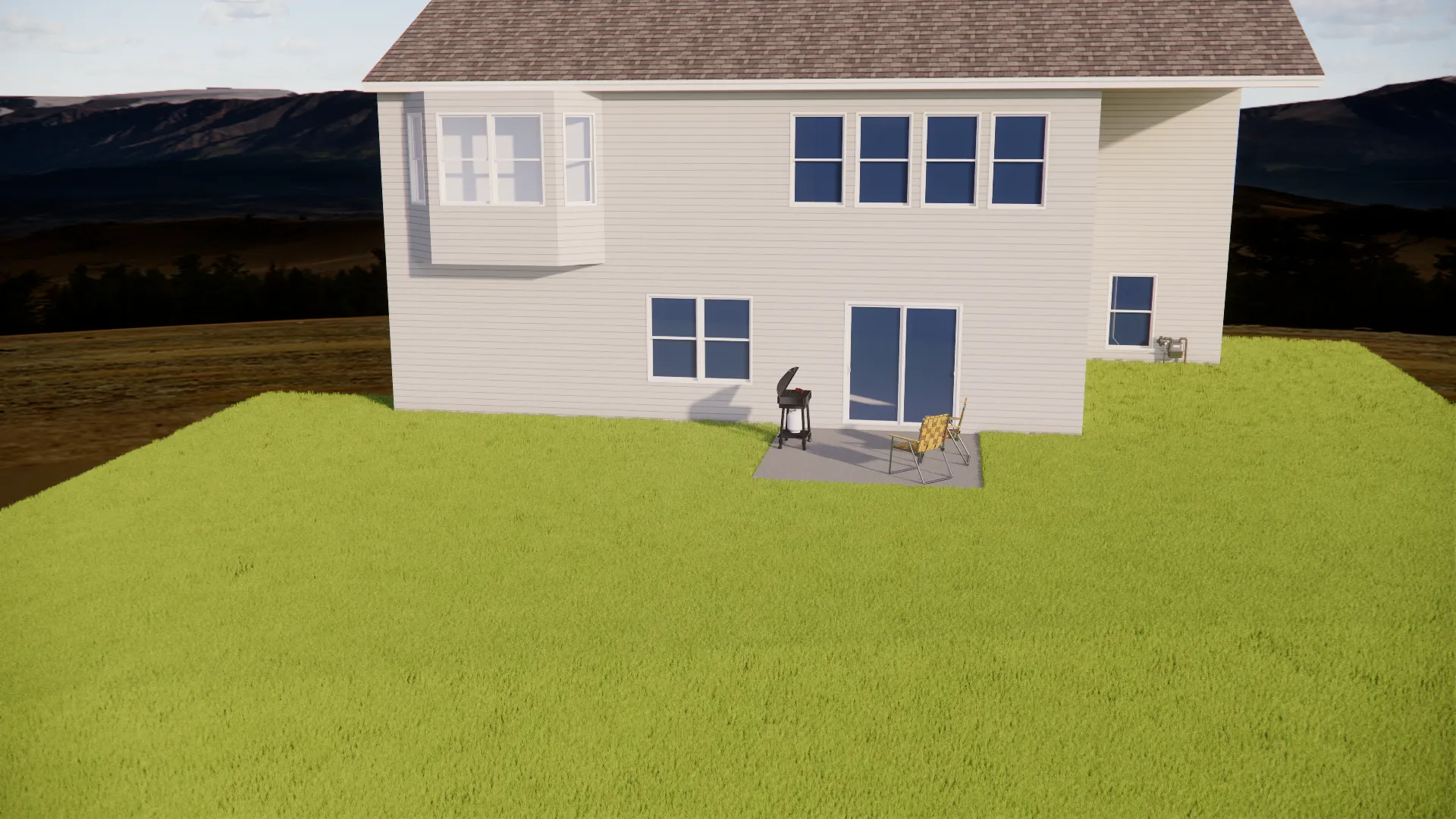
Before we showed up, you had a contractor grade 10'x12' pad, a grill and a couple lawn chairs, but now it's time to break ground and build your design - Let's get started →
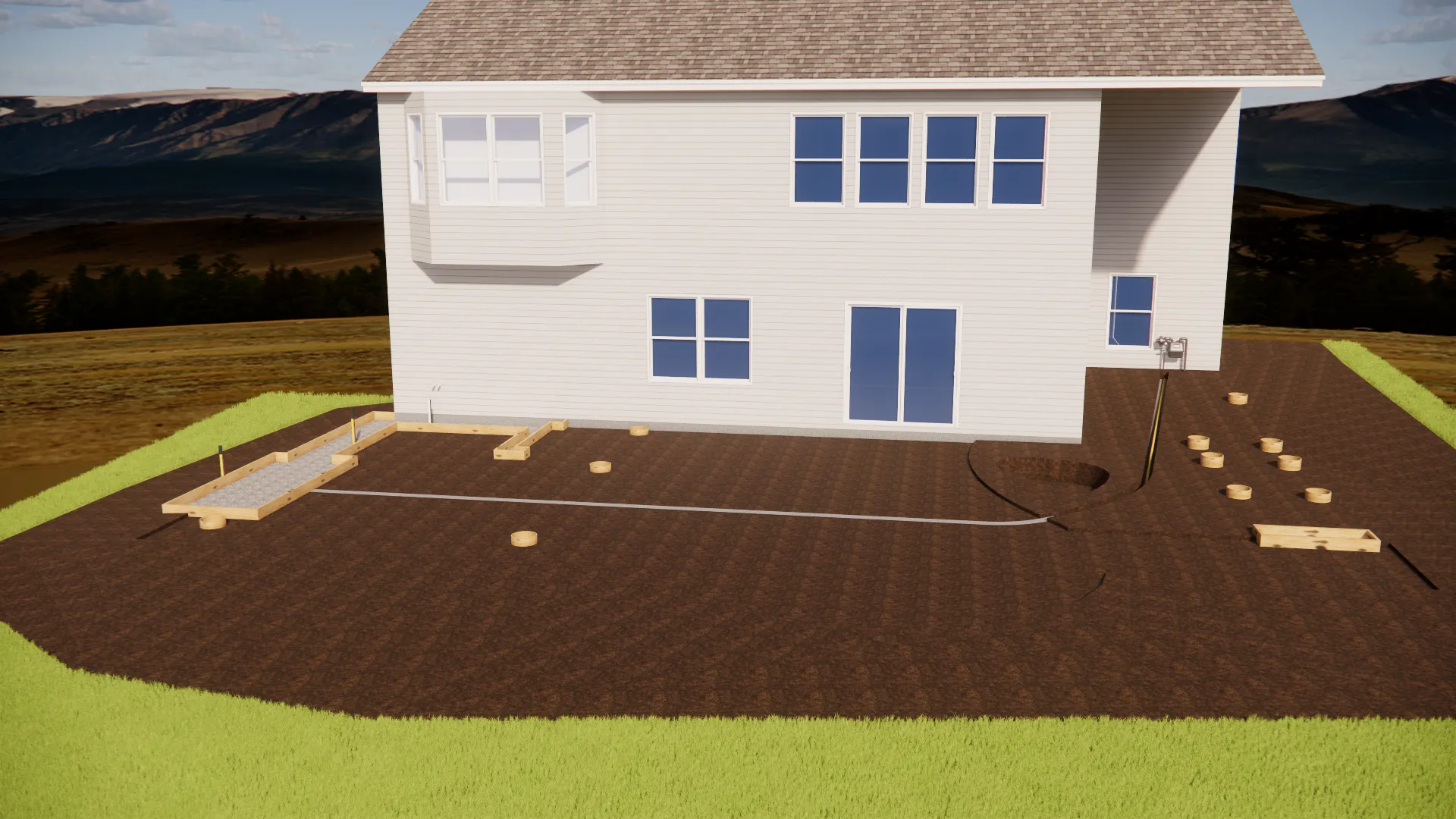
This marks the start of construction. We demo, excavate, and install things like underground utilities and drainage. It’s the messiest part of the build, where the site looks most disrupted and progress is least visible—but it’s also the where the groundwork is set for everything that follows.
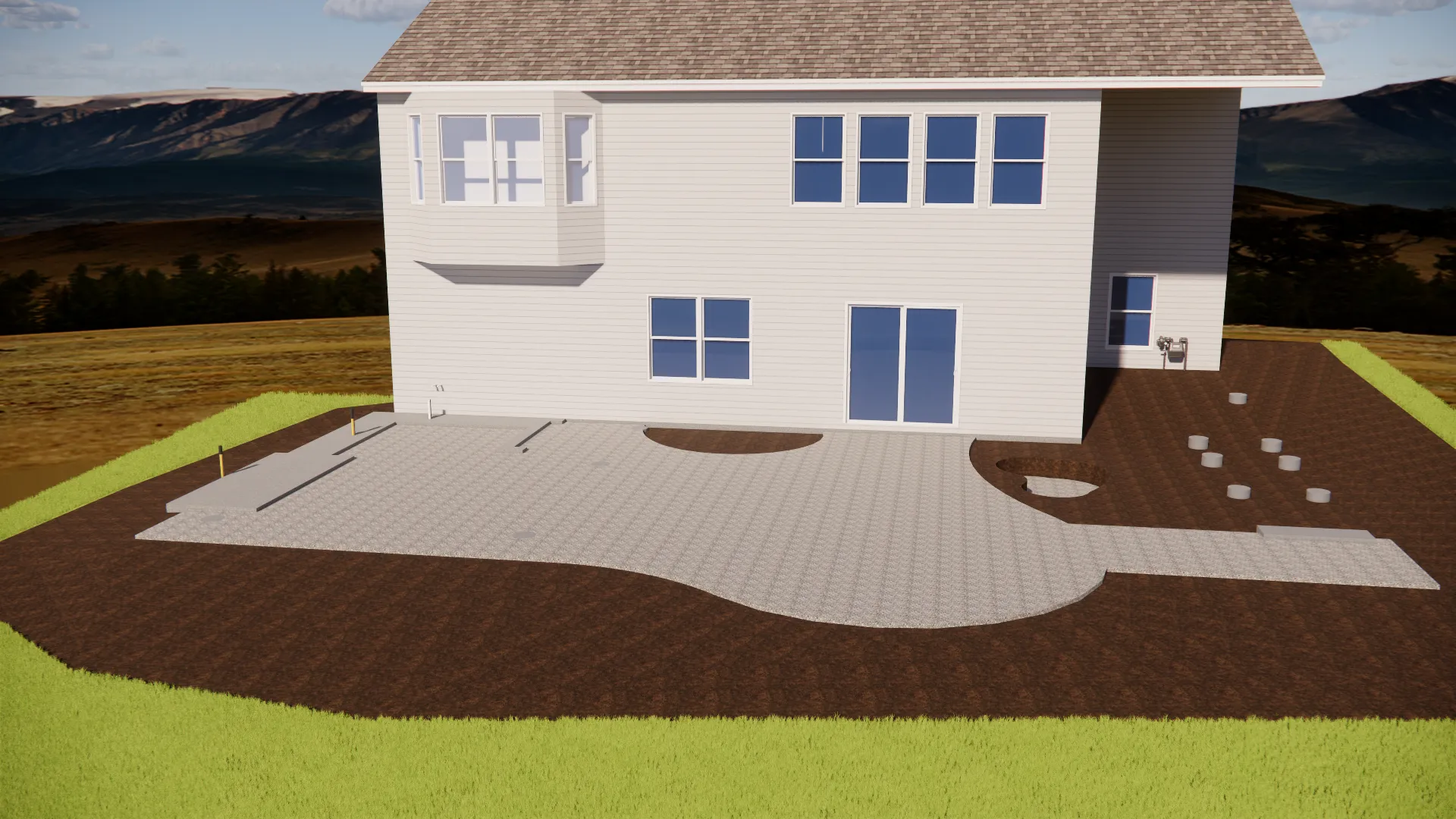
Gravel bases, piers, and footings go in next. This stage includes things like setting retaining walls, pouring pool shells, and establishing rough grades & elevations.
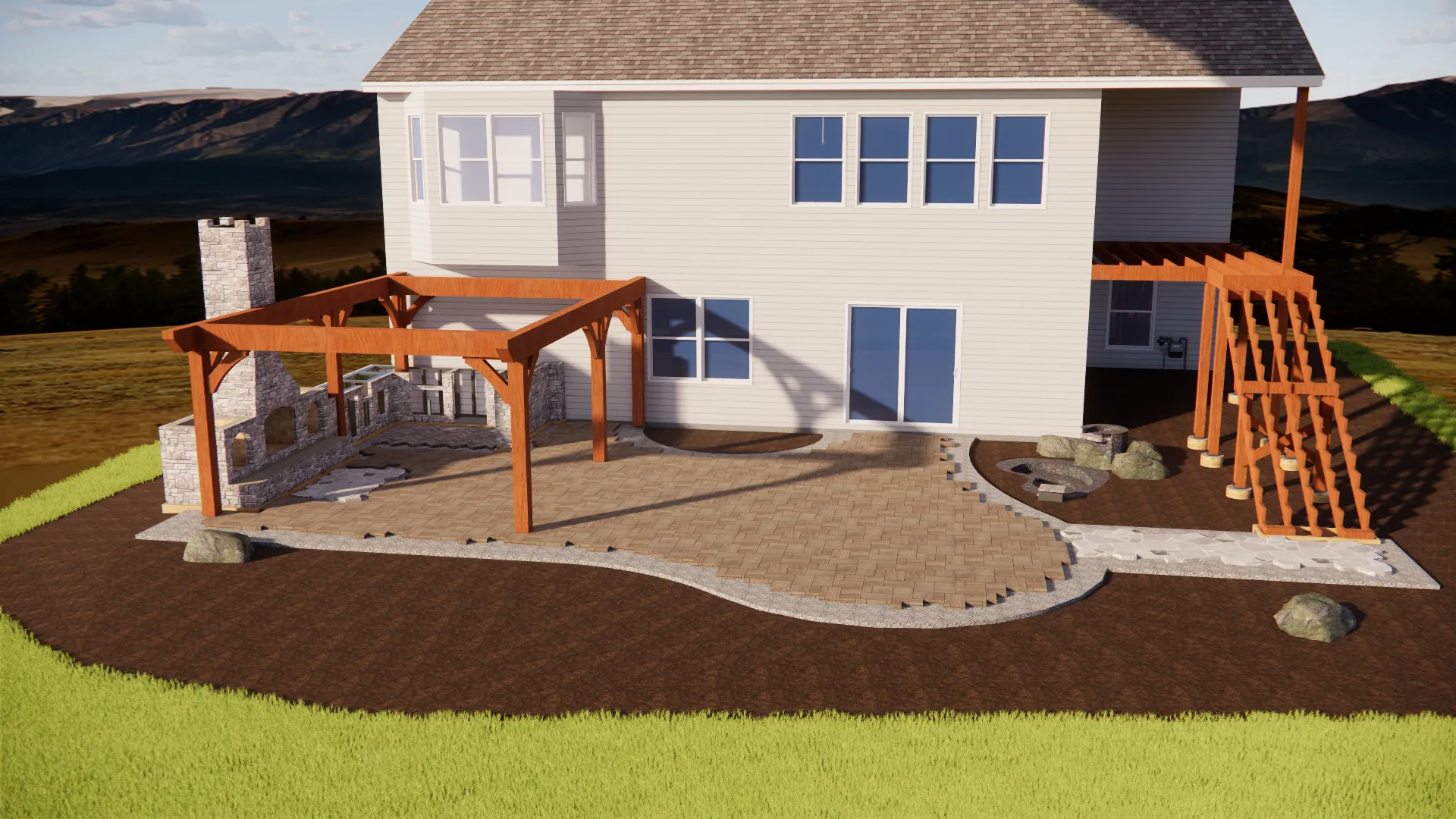
Now it's taking shape. Pavers and stamped concrete are going in, outdoor kitchens and fireplaces are framed and stoned, Pavilions and pergolas go up, and pools are finished and filled.
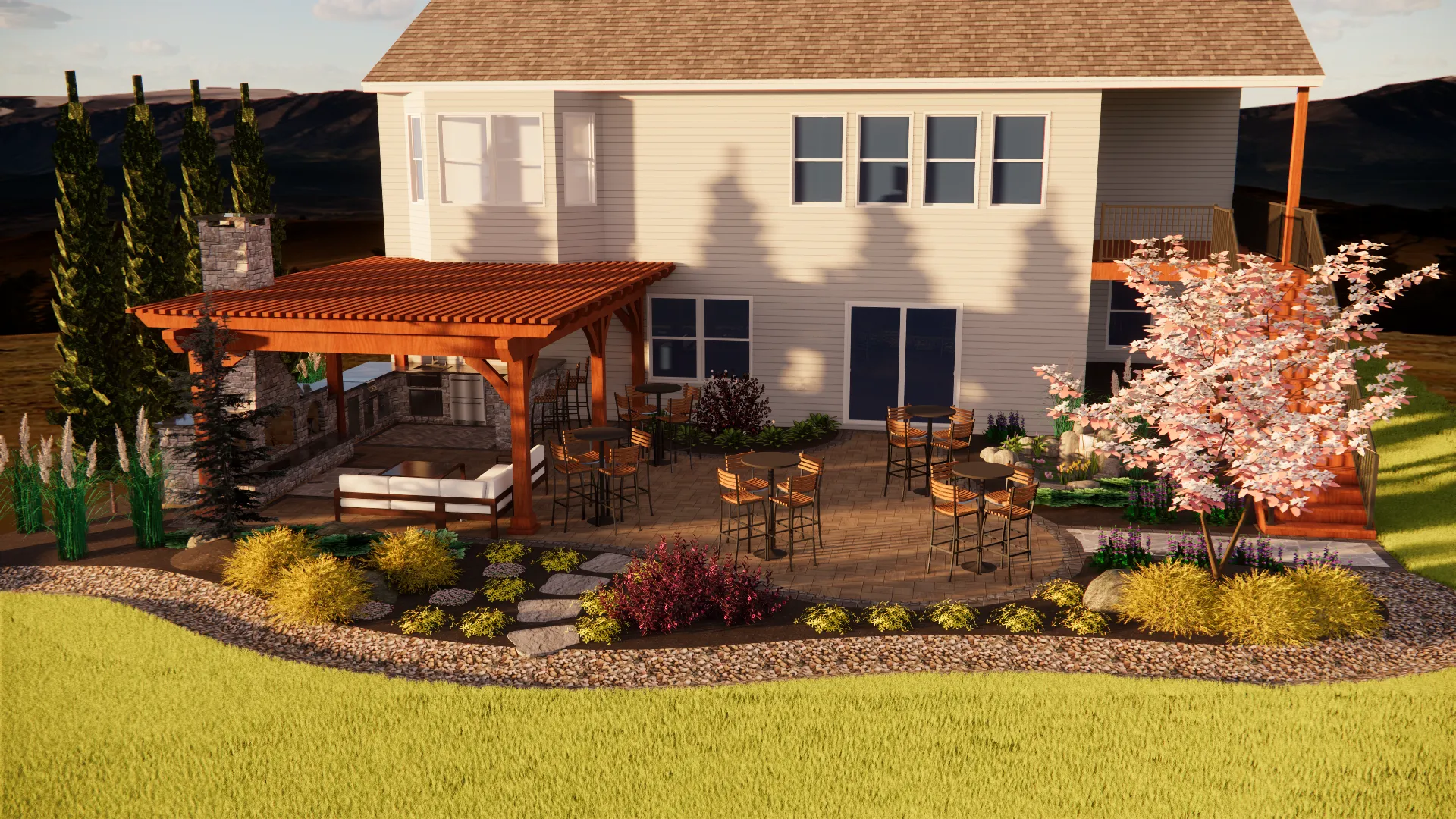
Final planting, grading, trims and touchups, followed by a thorough cleanup of the work area. Lawn areas and drive path disturbed during construction are repaired. Pallets and excess materials are hauled off, surfaces are cleaned, and—where applicable—driveways and street are power washed.
Signage comes down and we prepare the space for final photography.
After construction is complete, we remain available to support the transition from jobsite to finished space. As you begin to use your space, questions or minor follow-ups can come up, and we’re here to help with them.
Warranty-related items and post-construction questions are handled directly with our team. We coordinate next steps as needed and provide clear guidance on care, use, and maintenance moving forward.