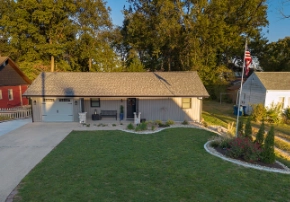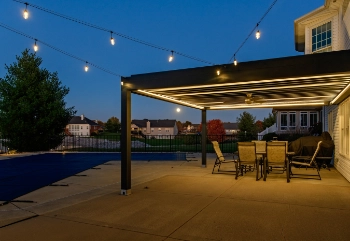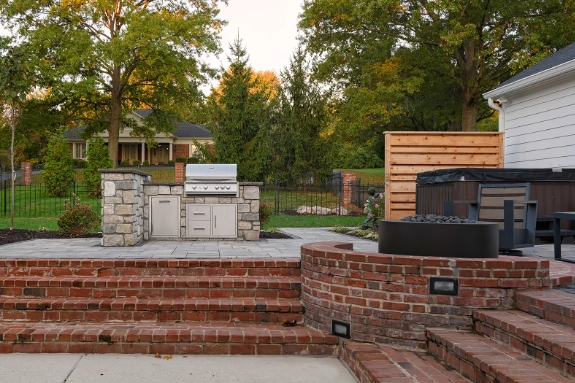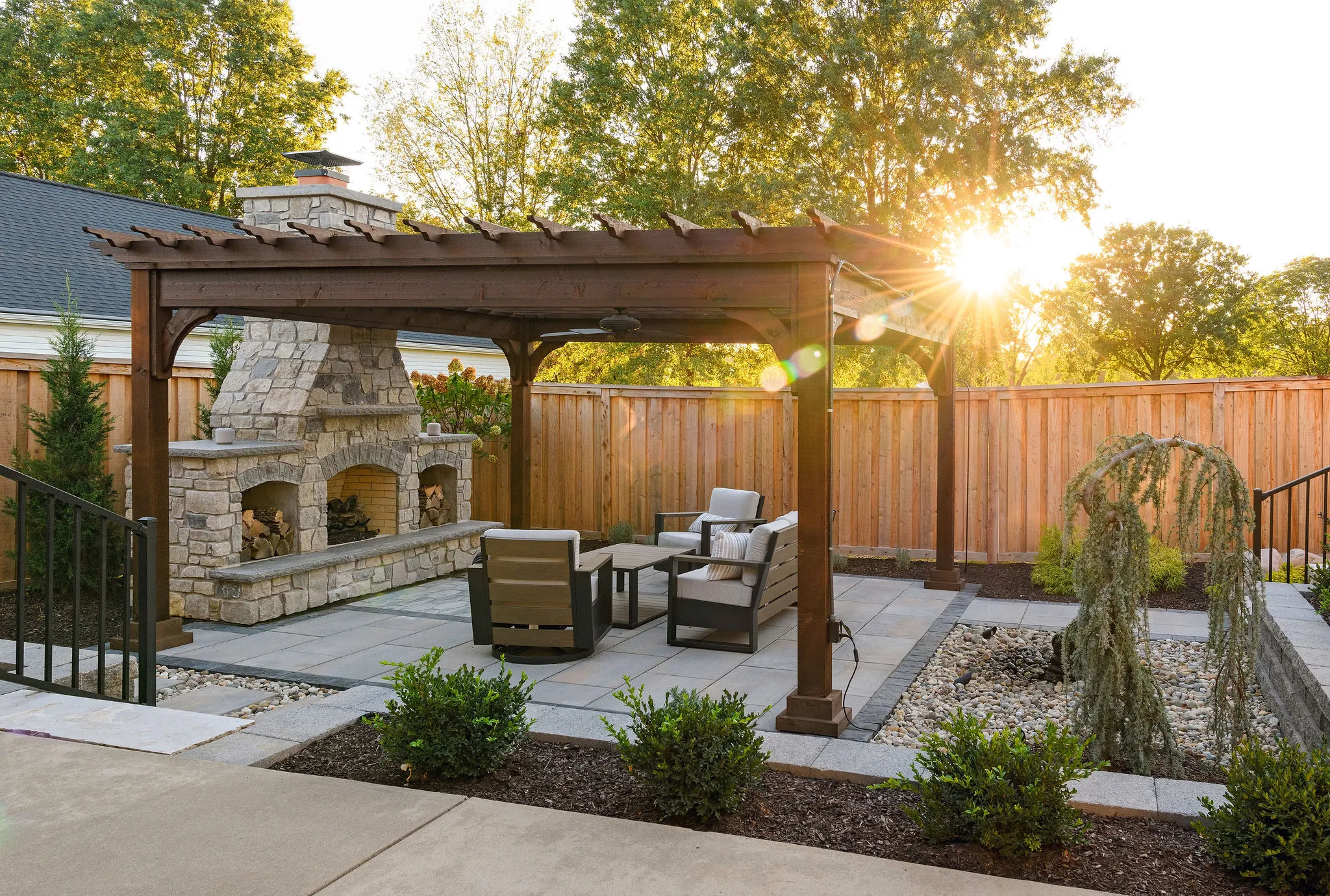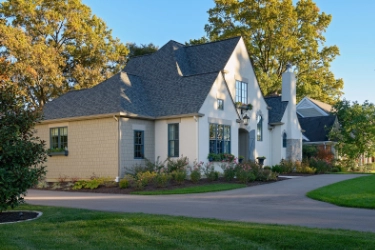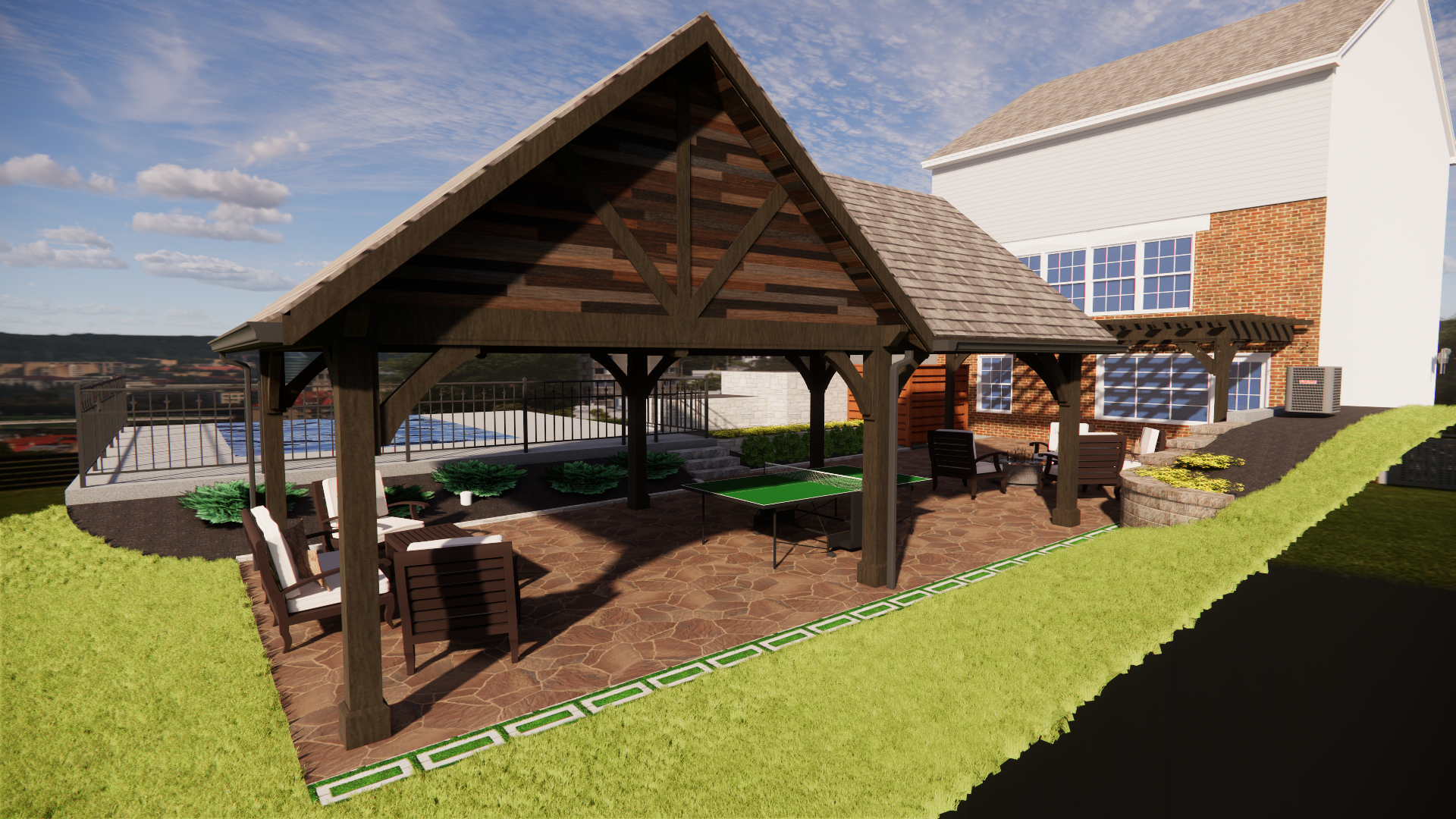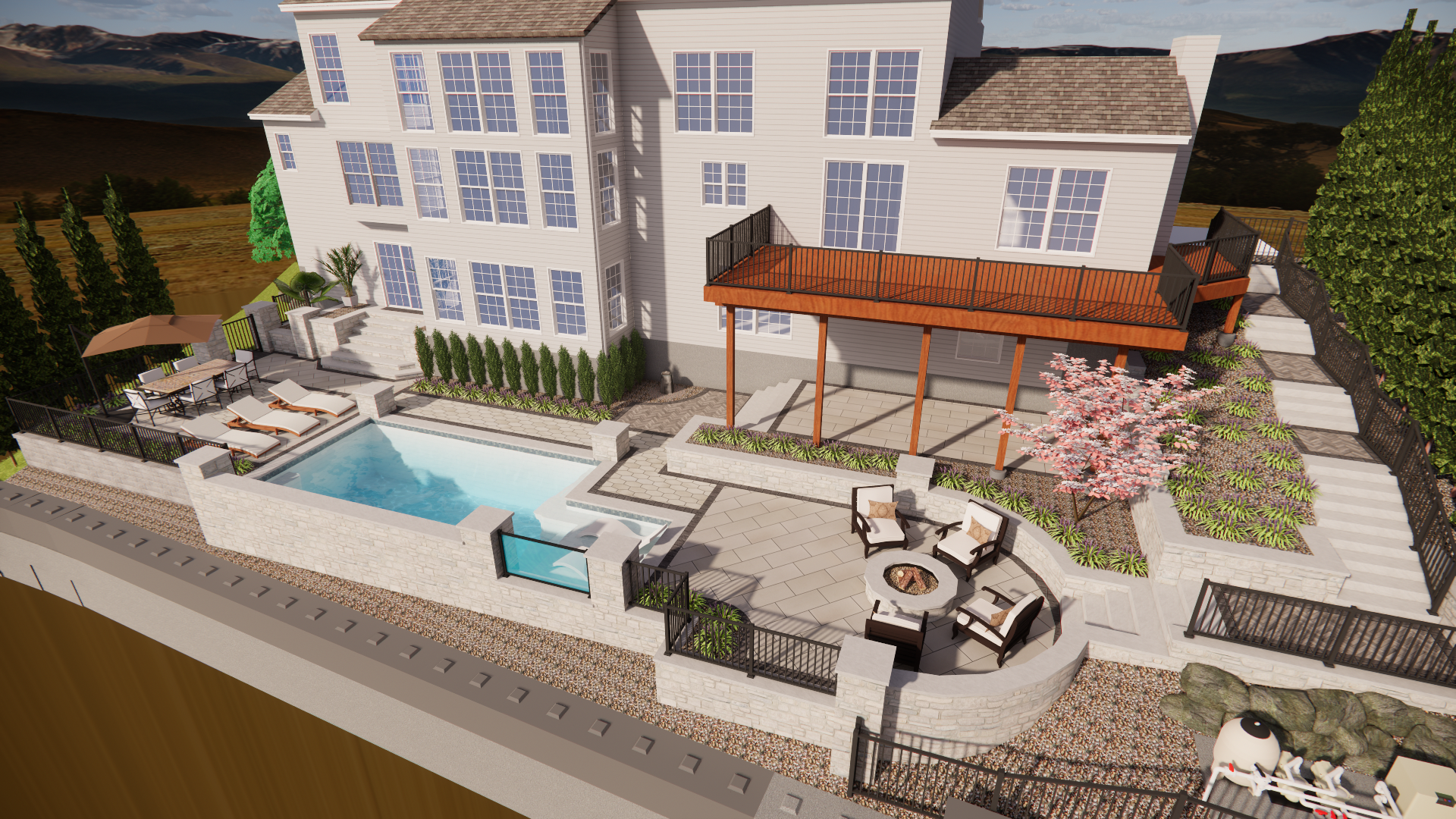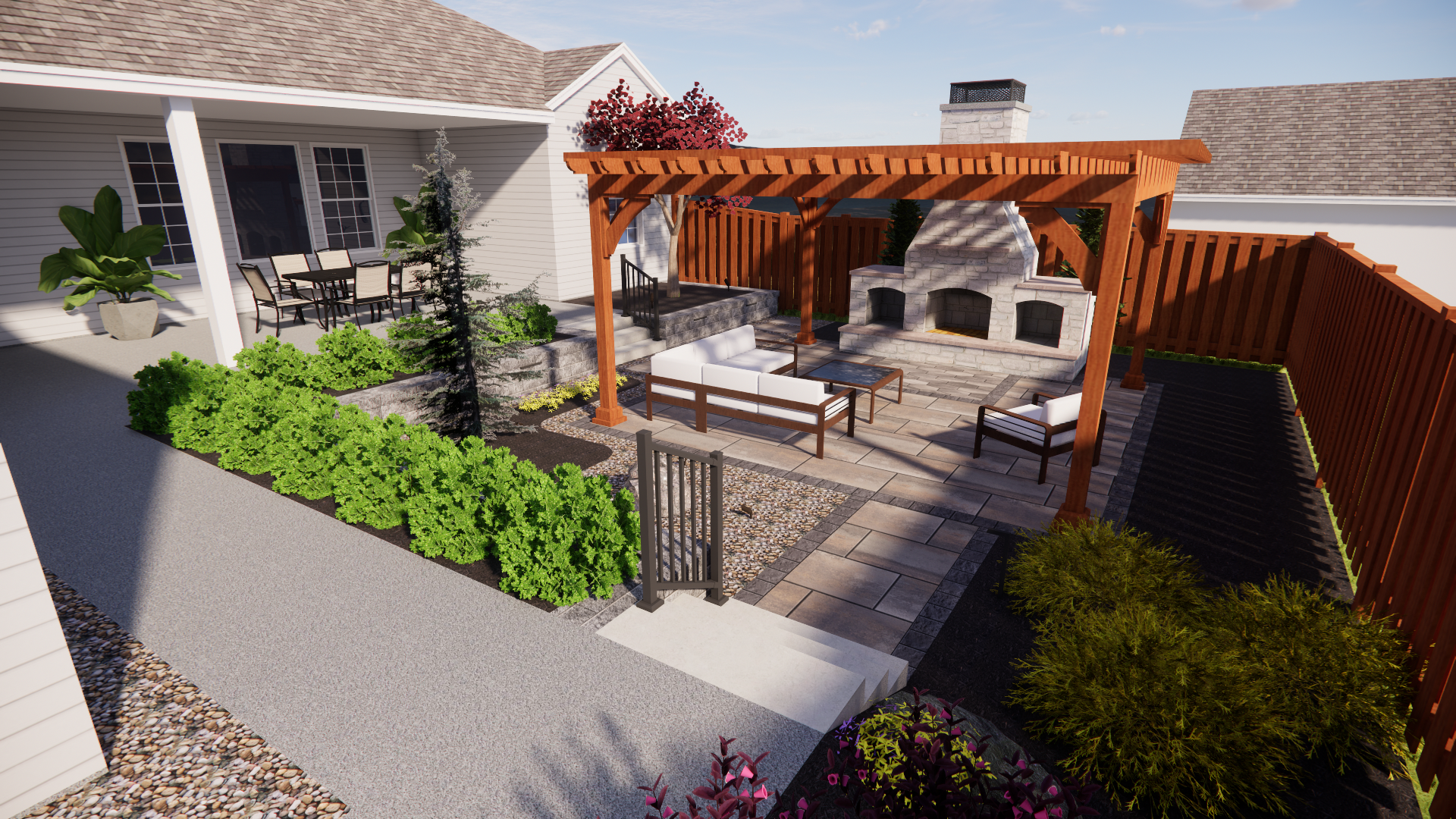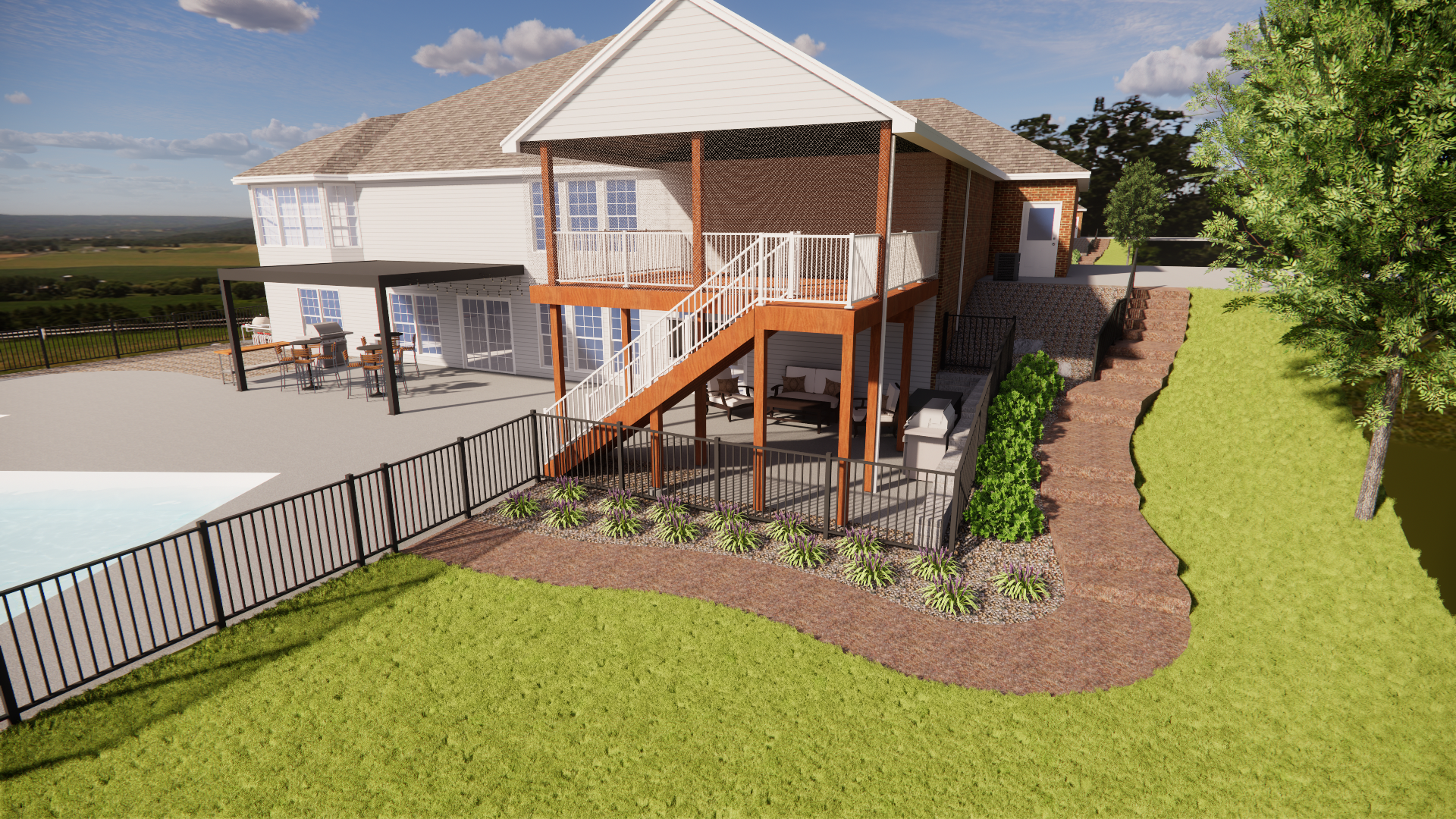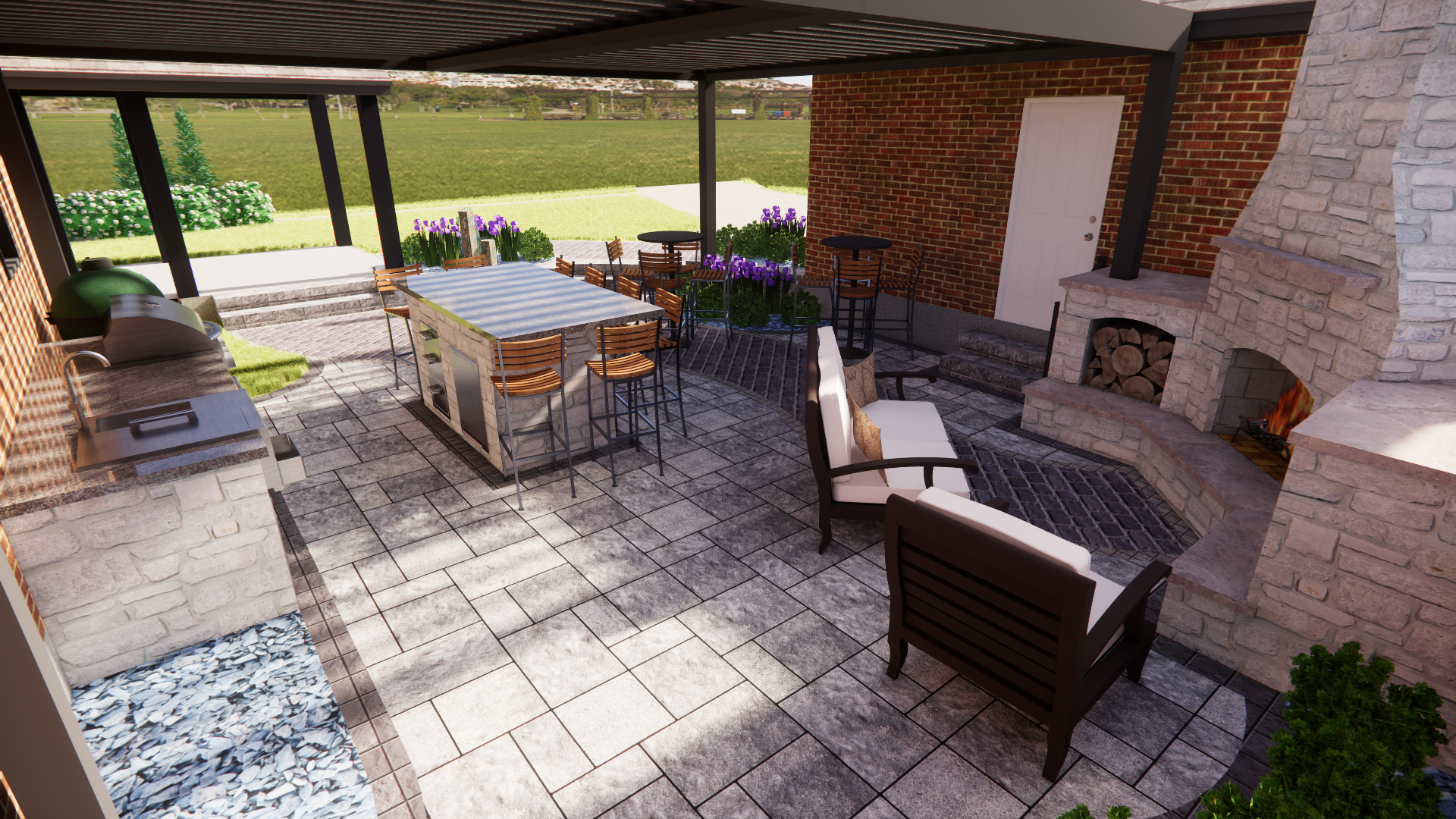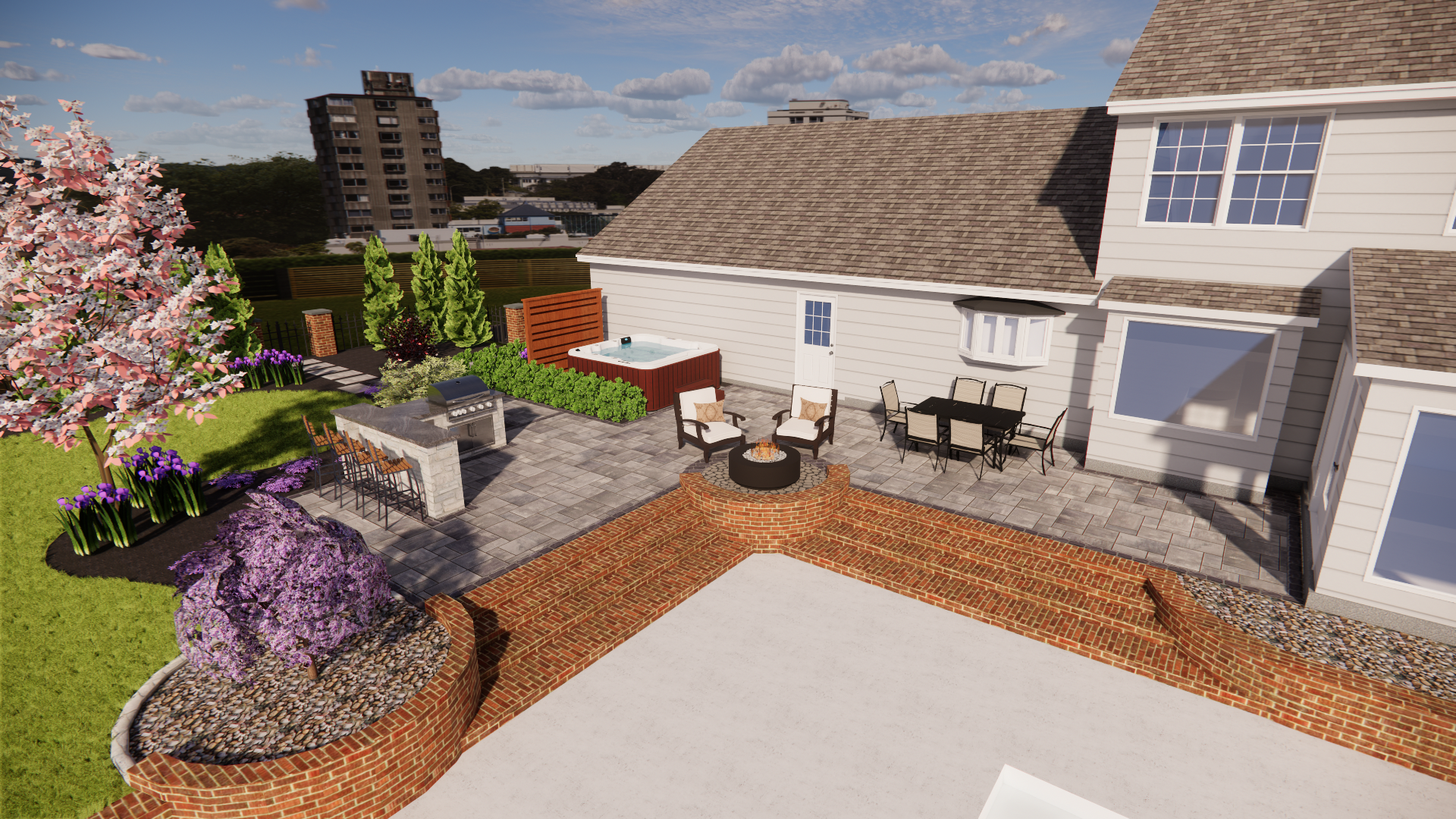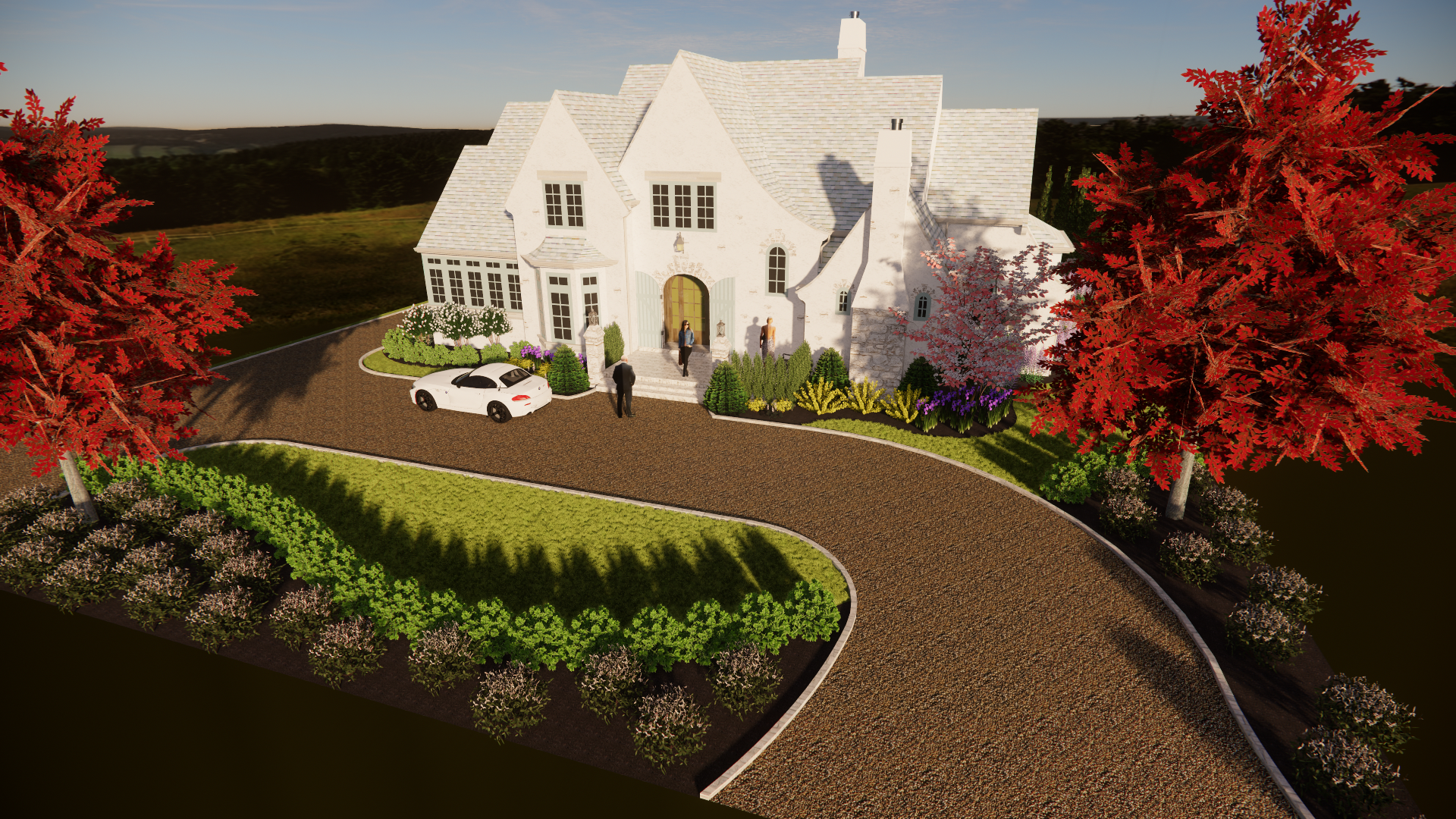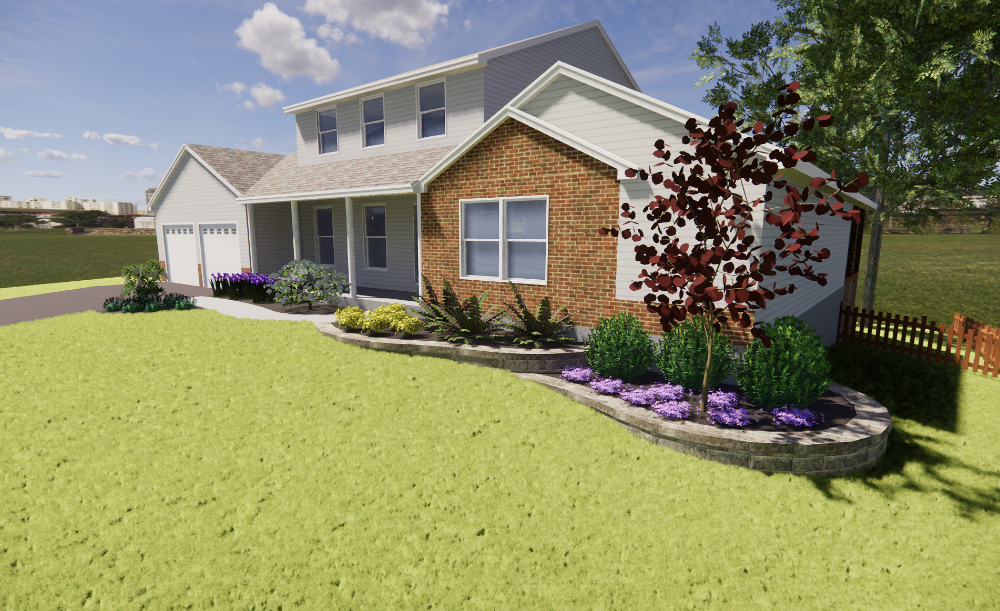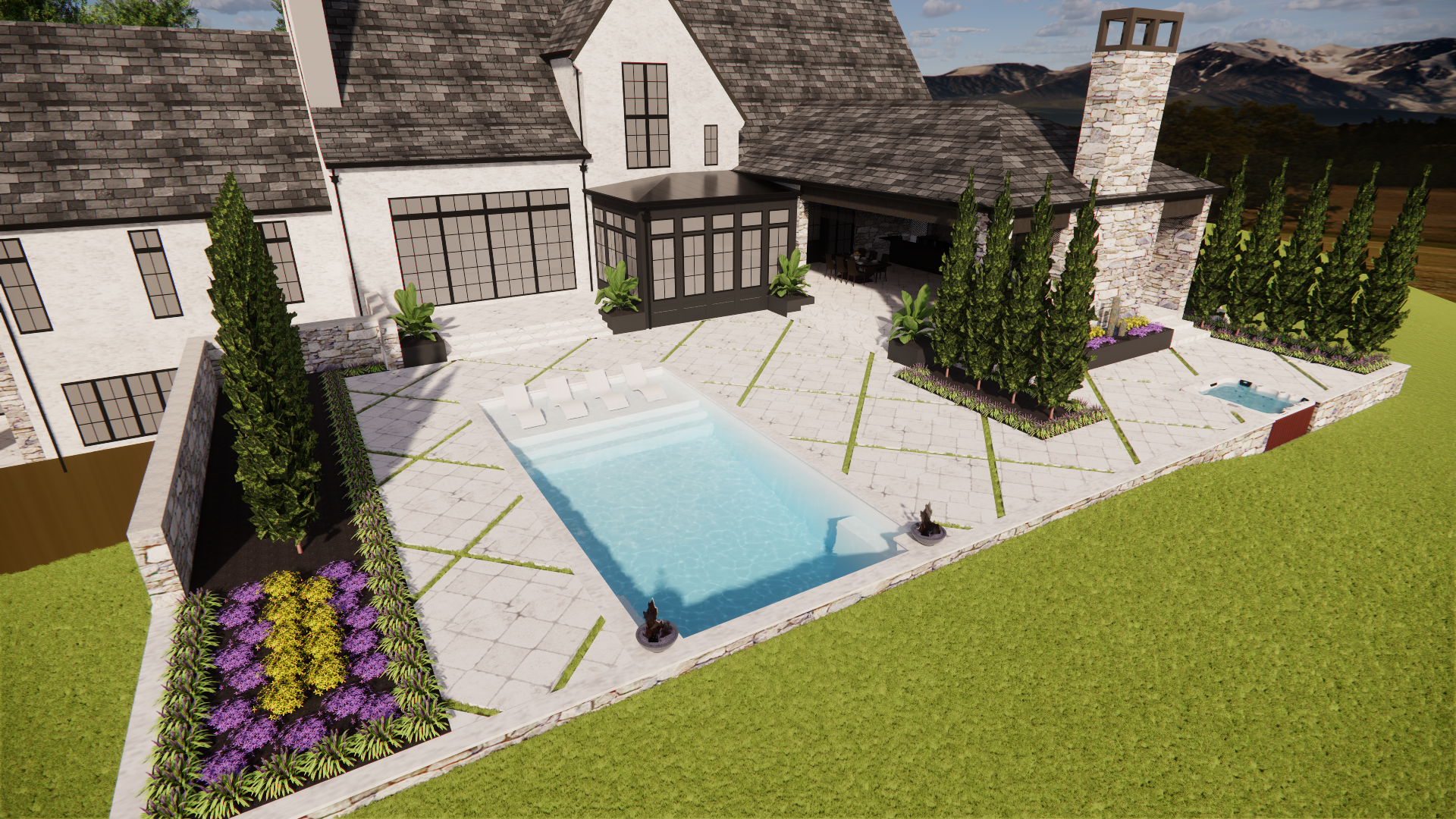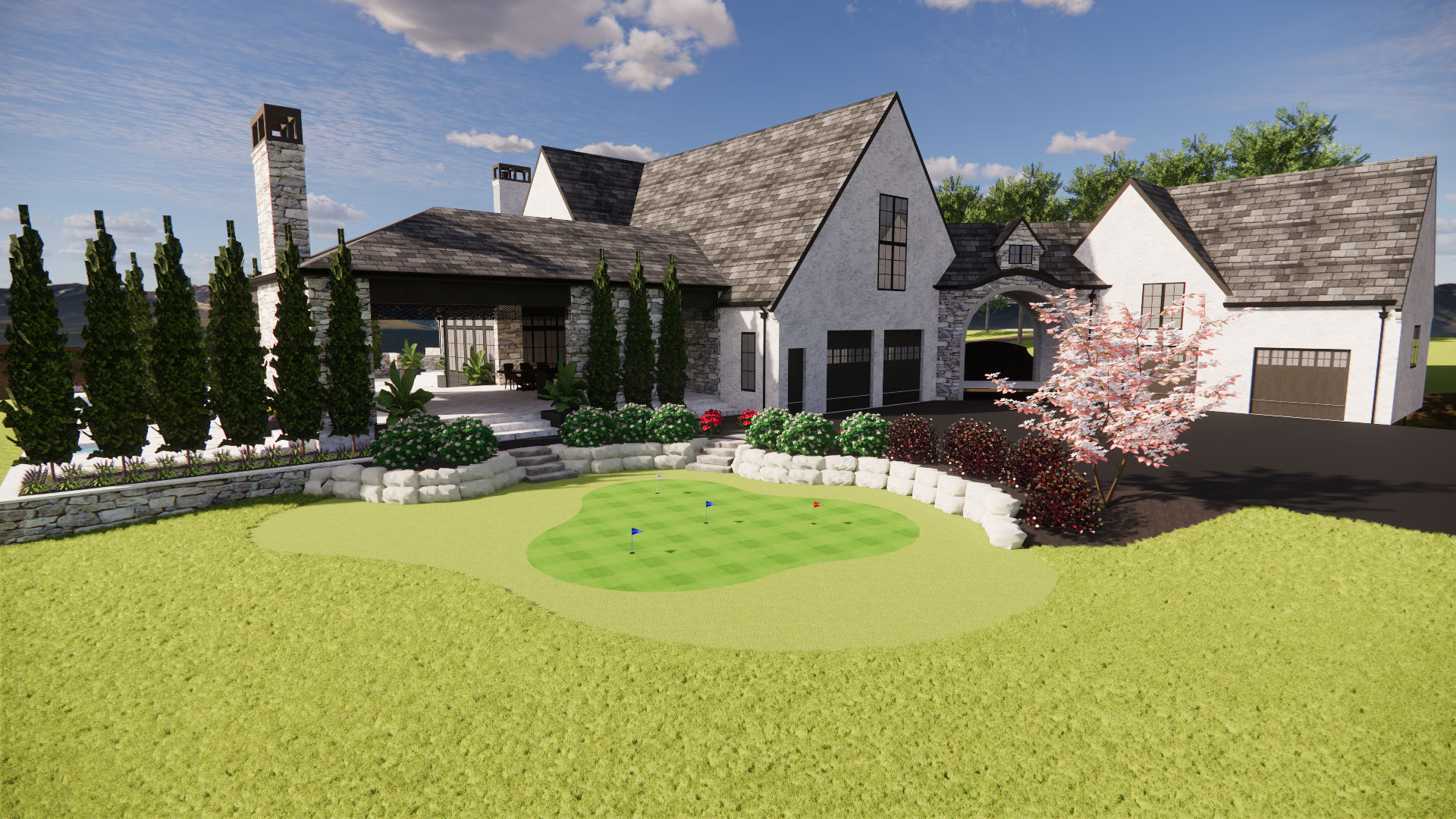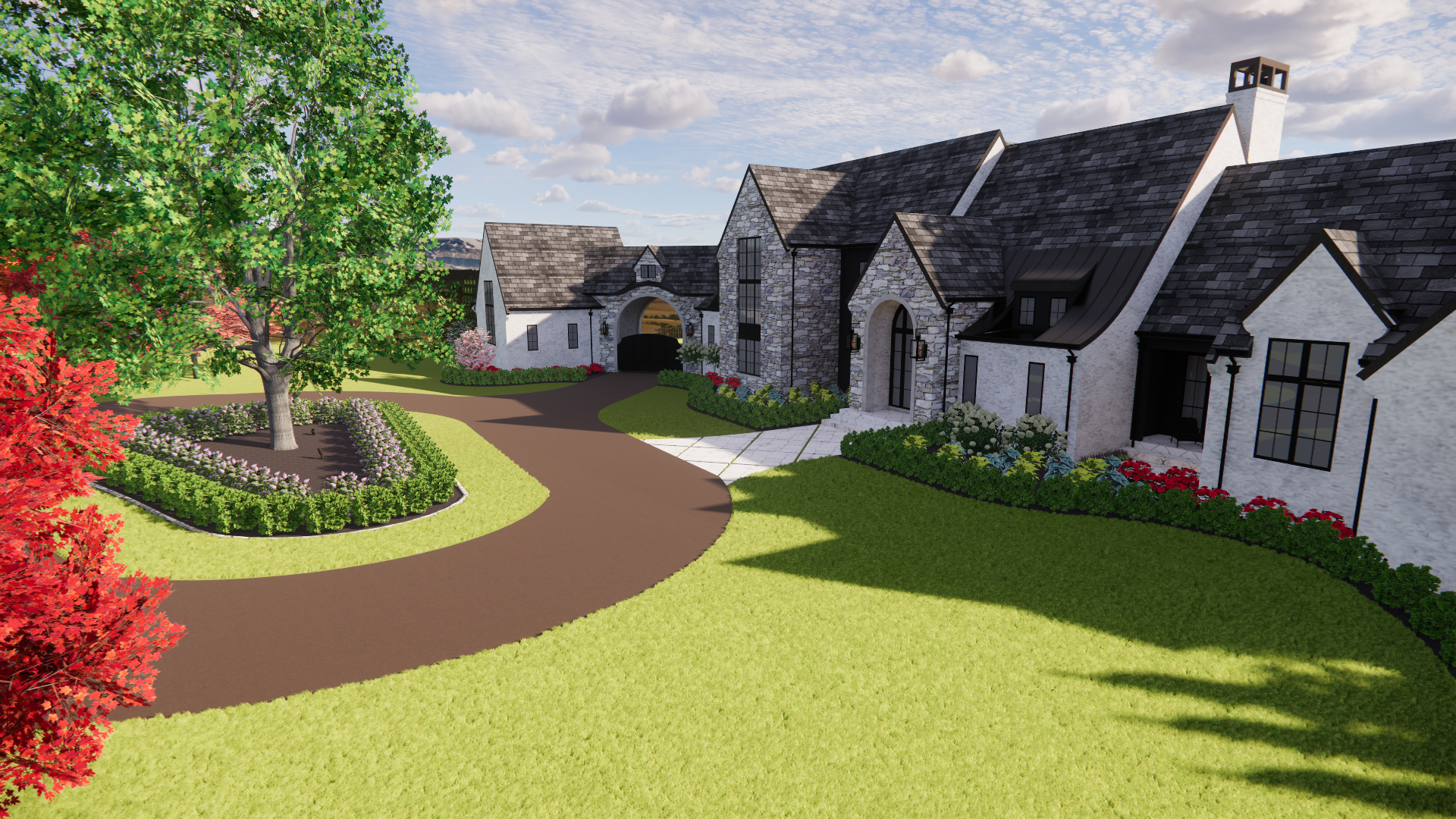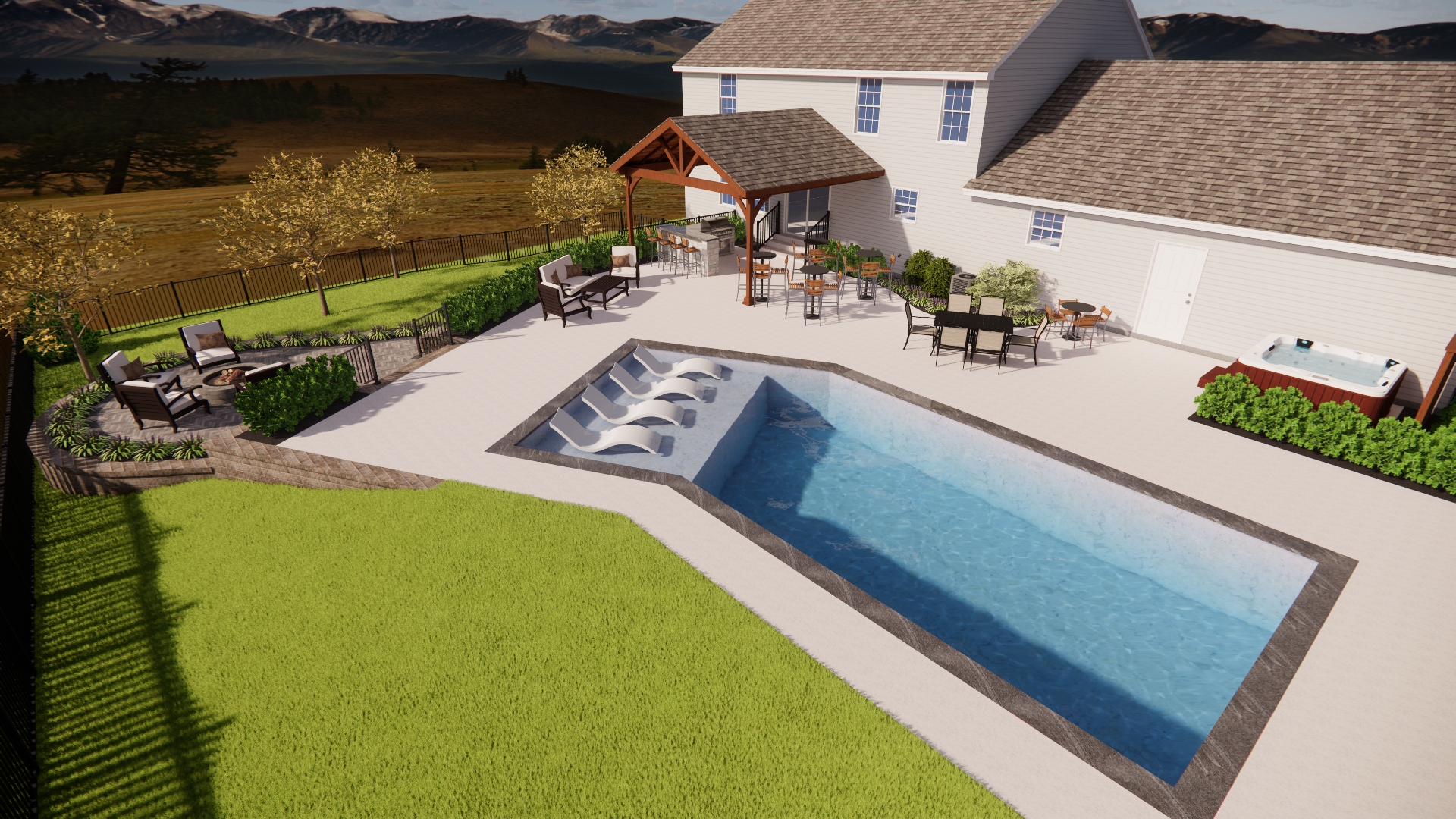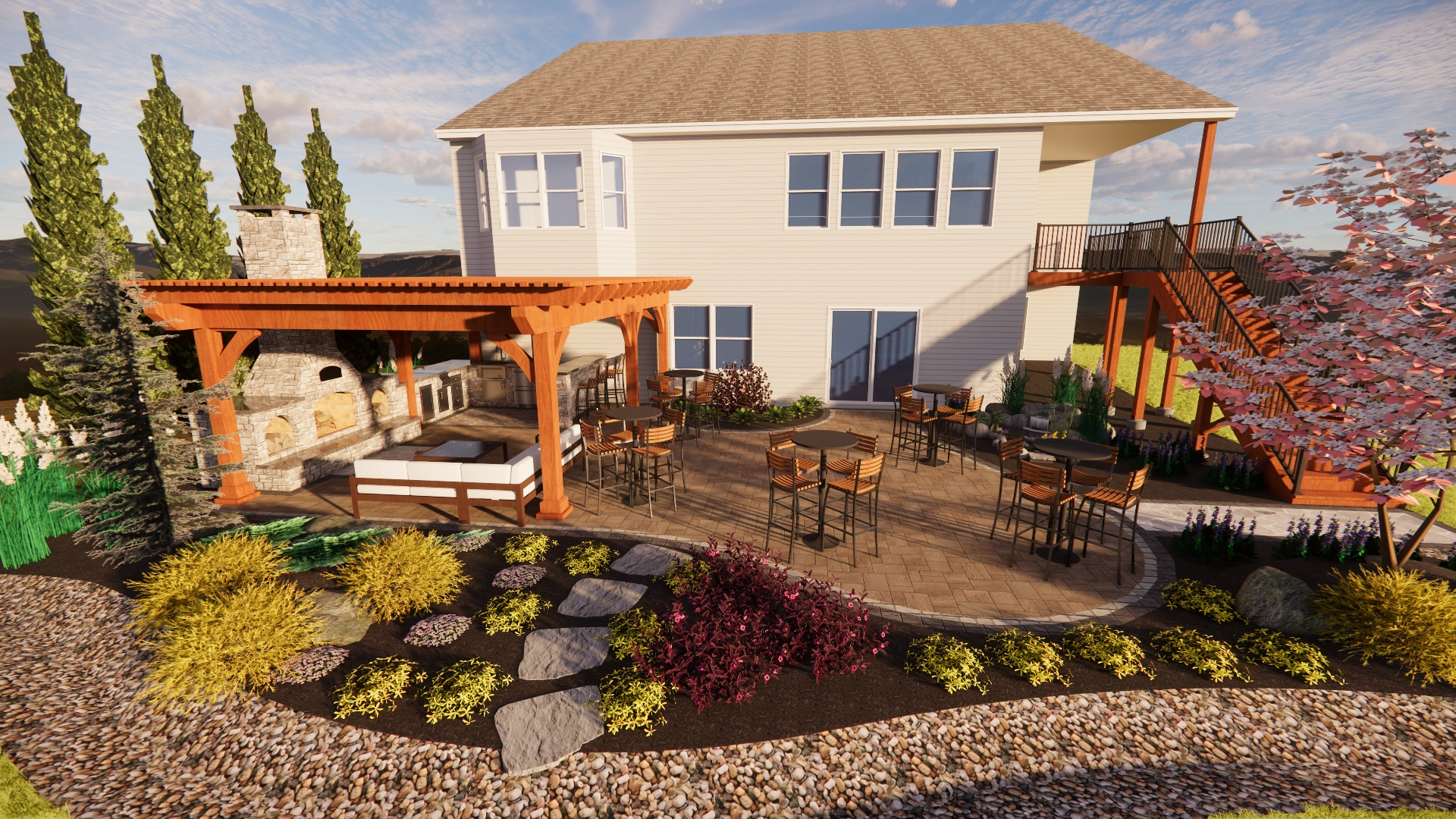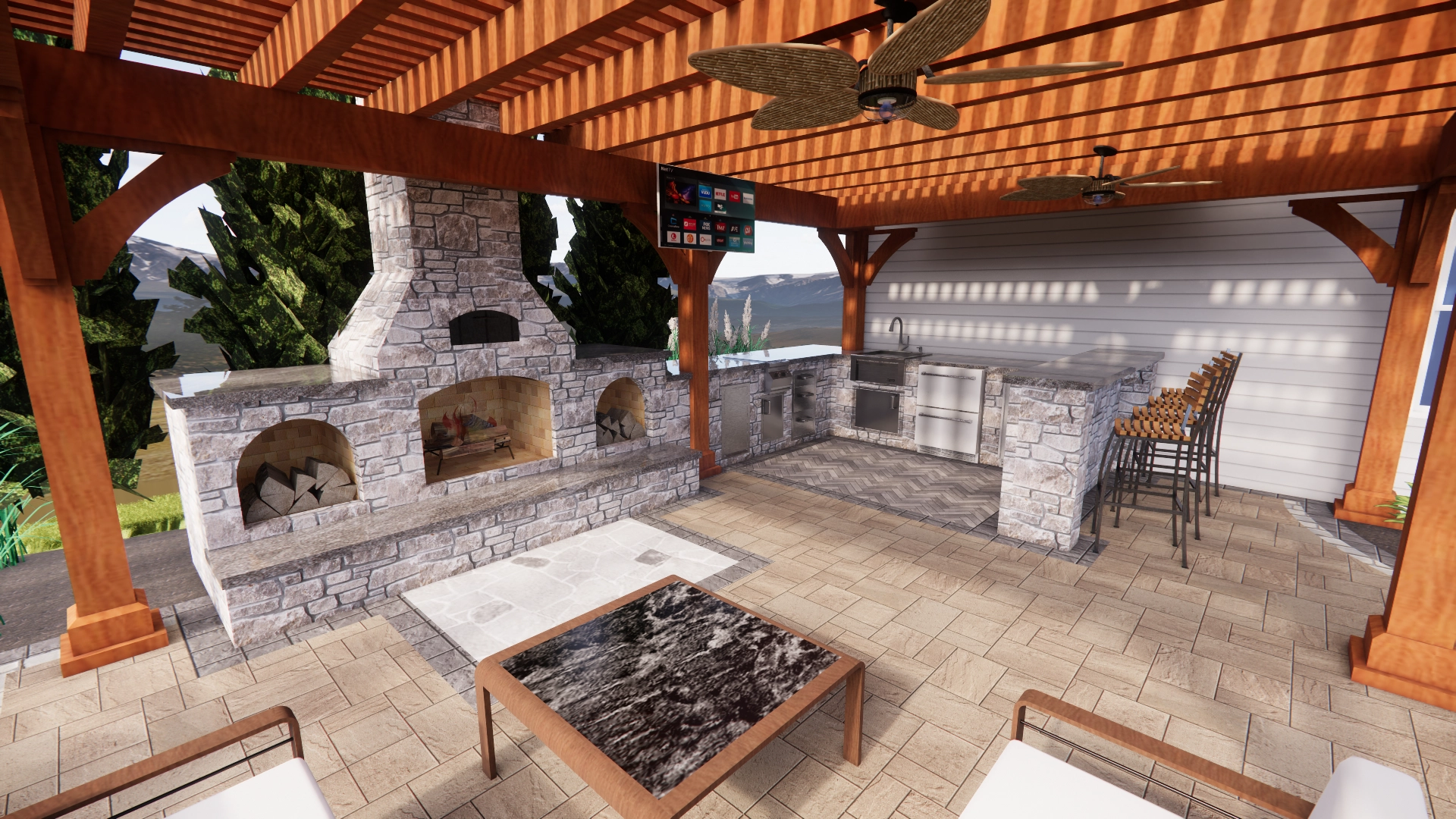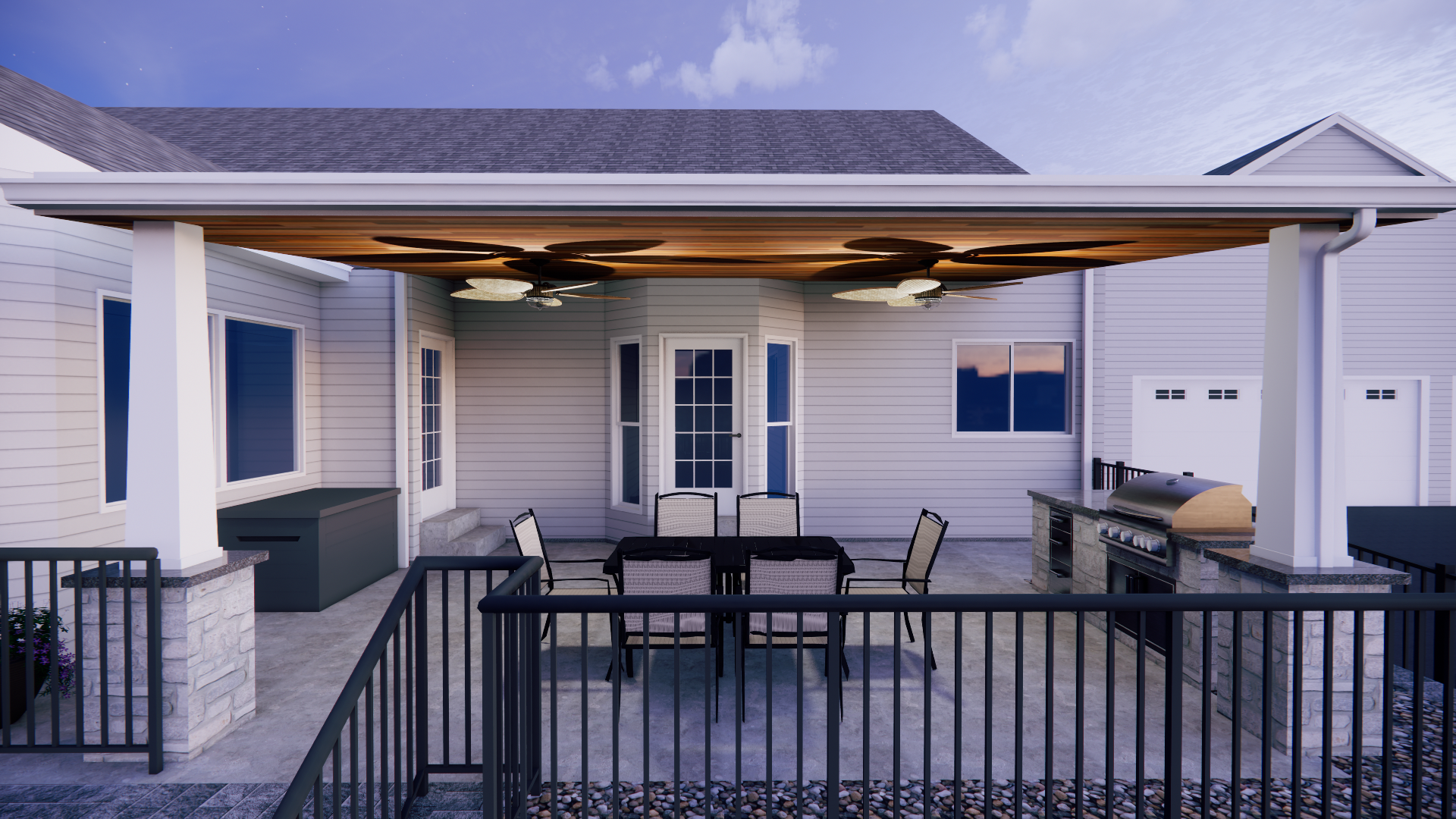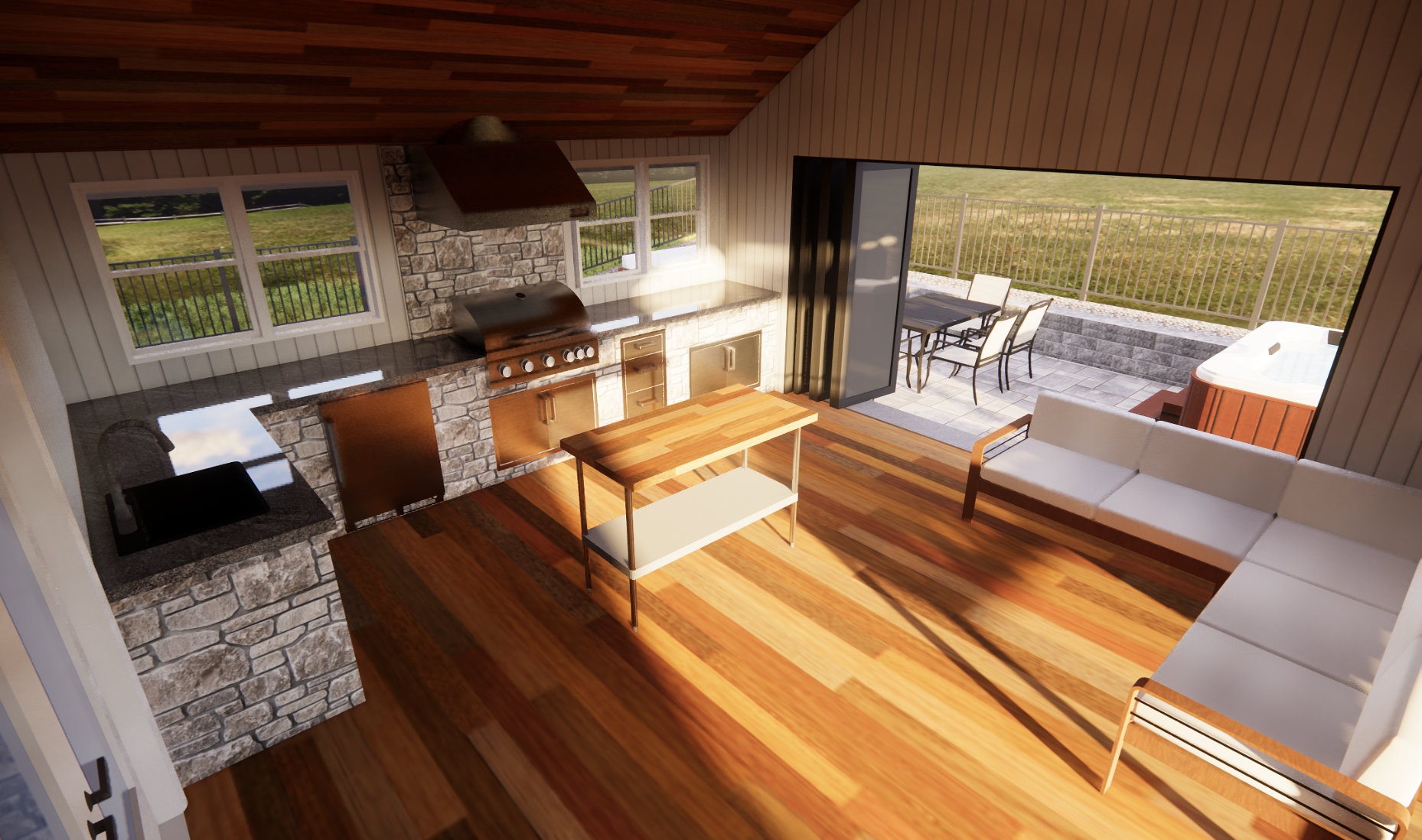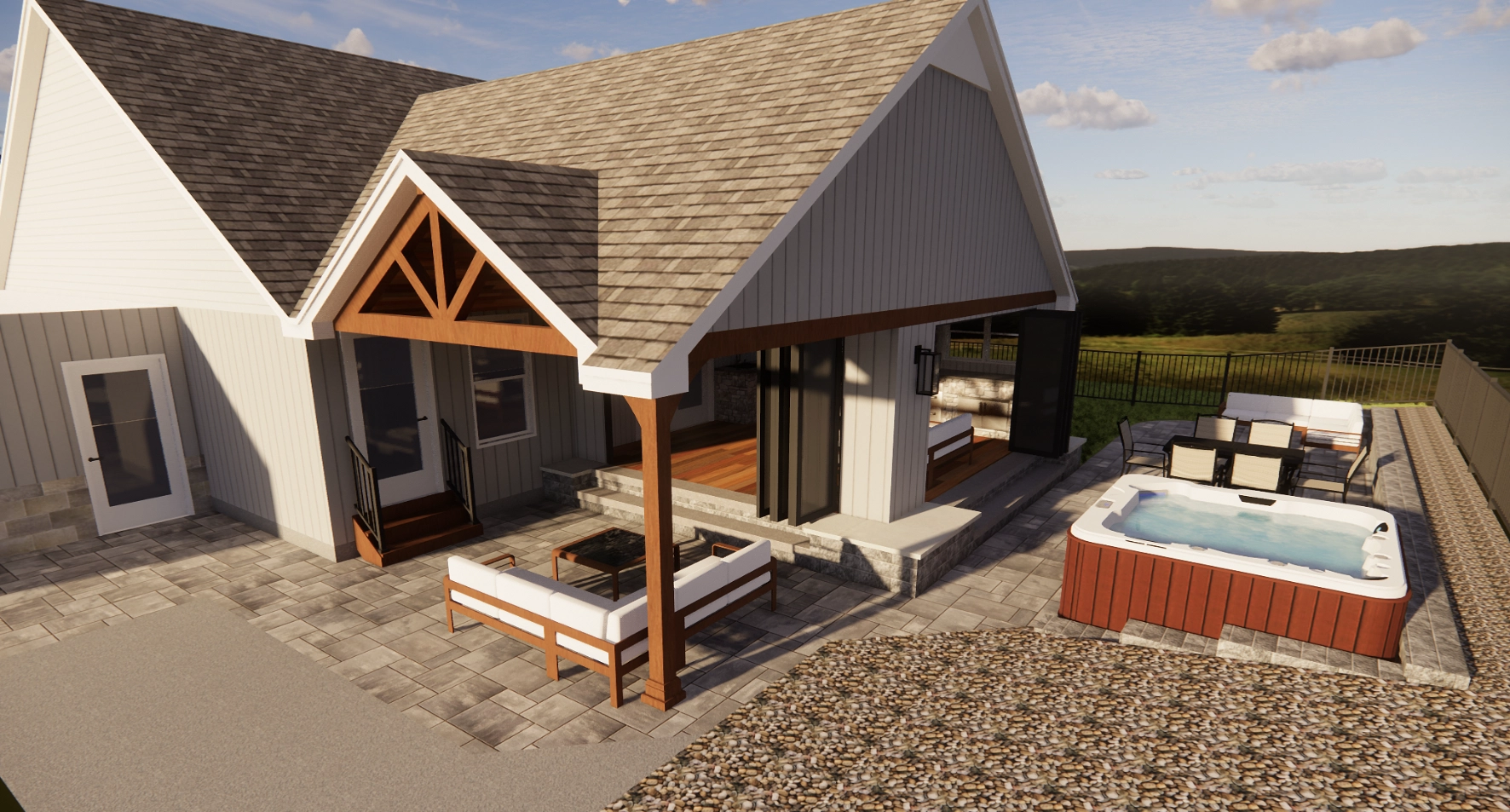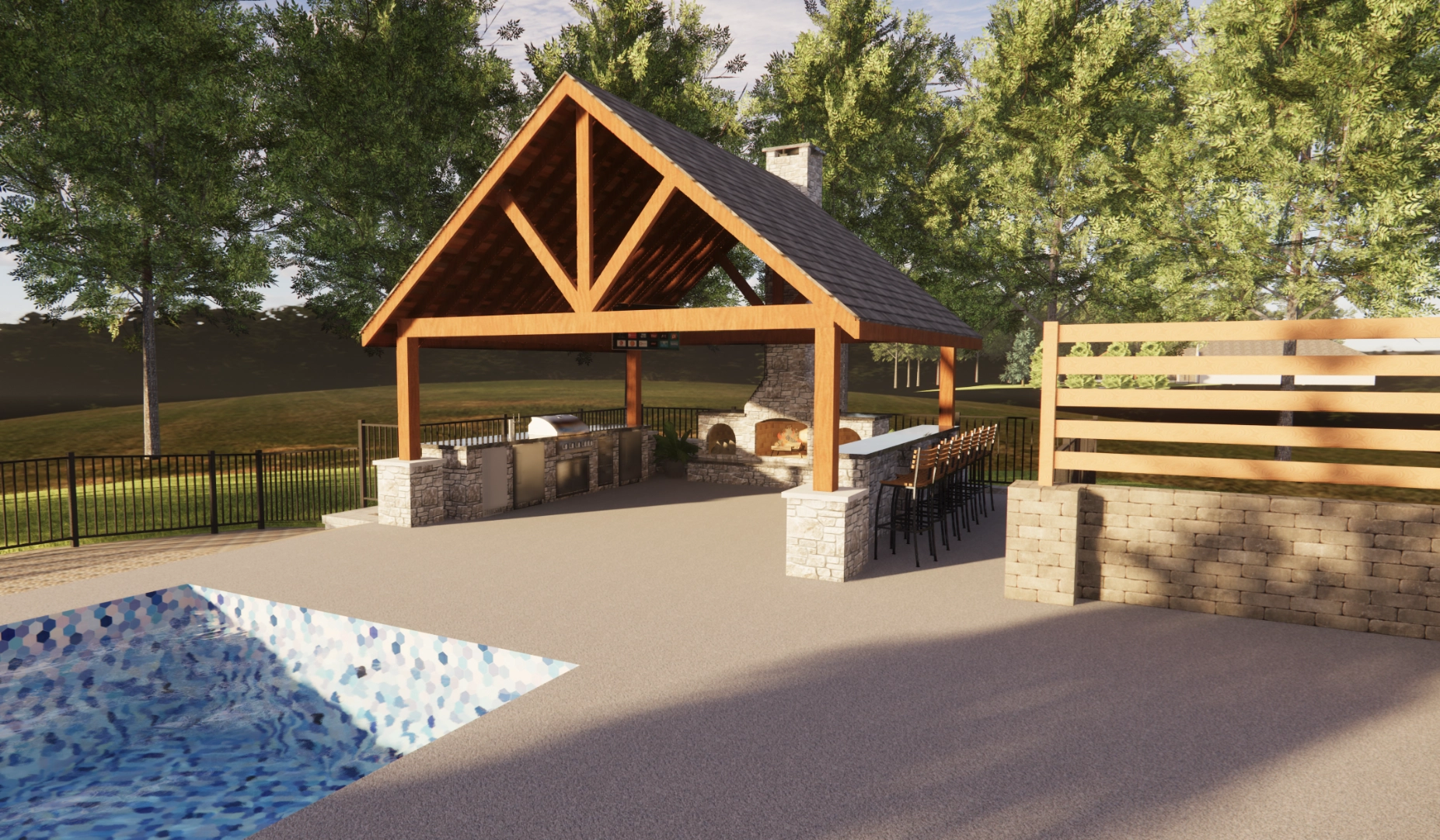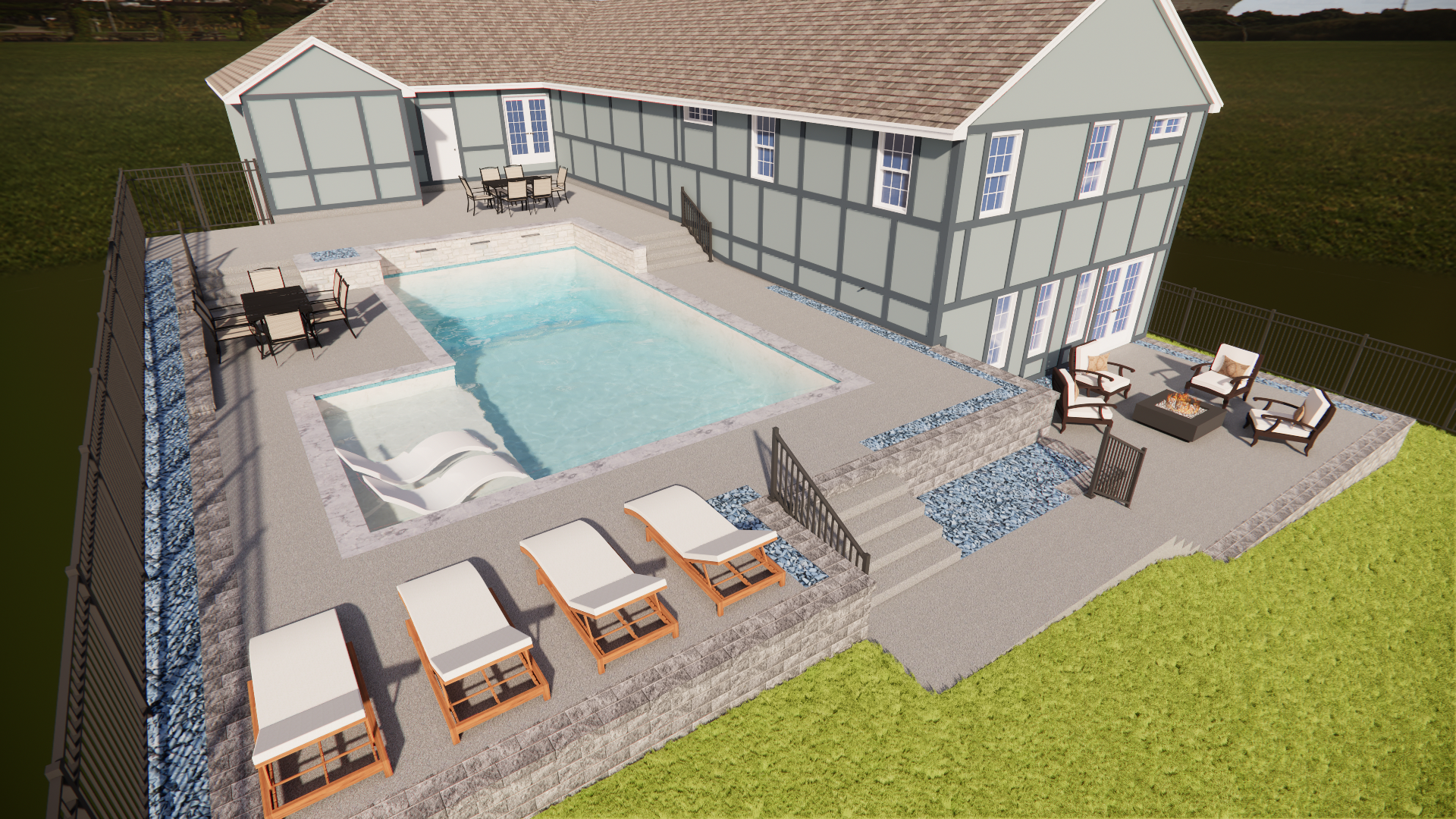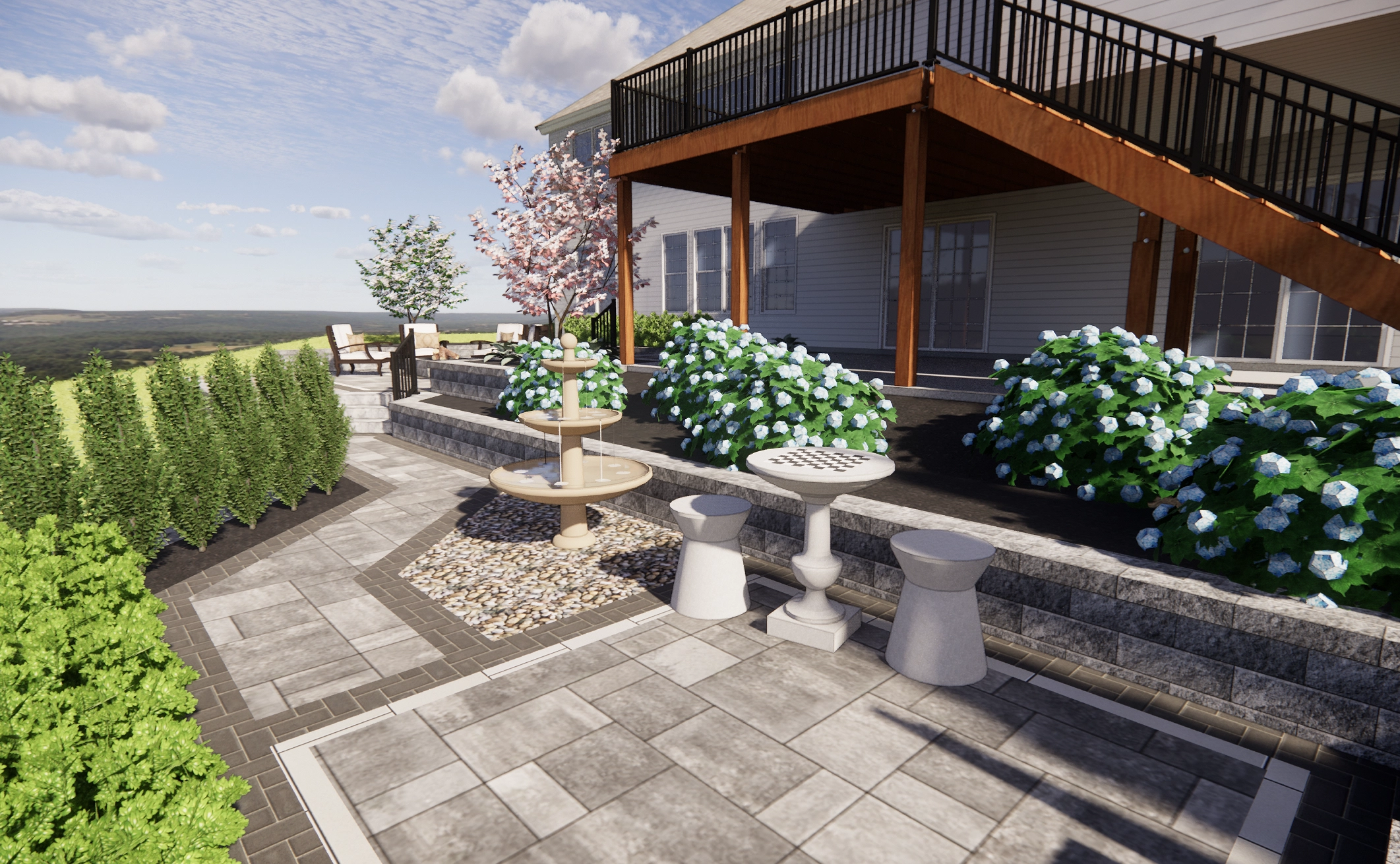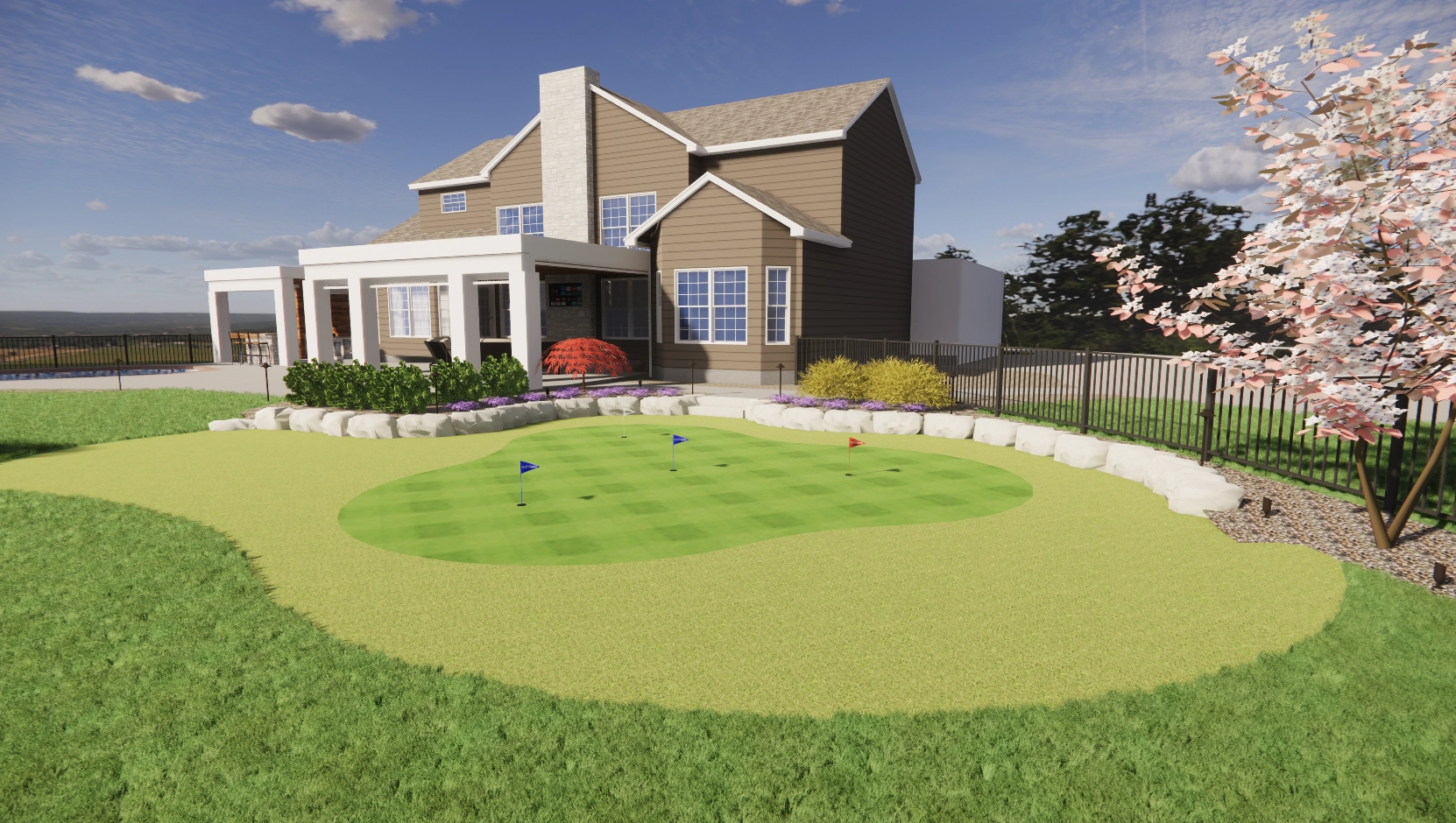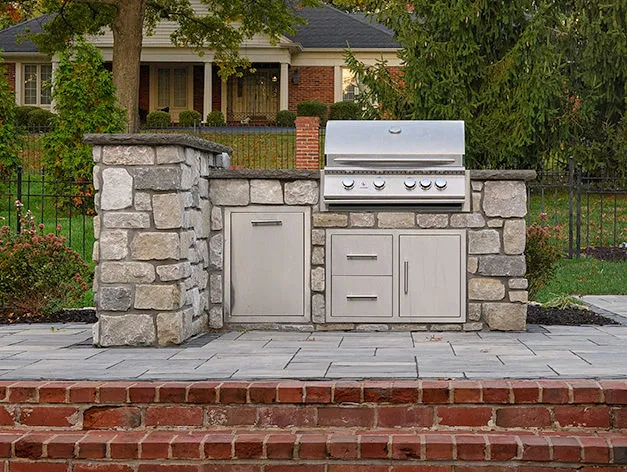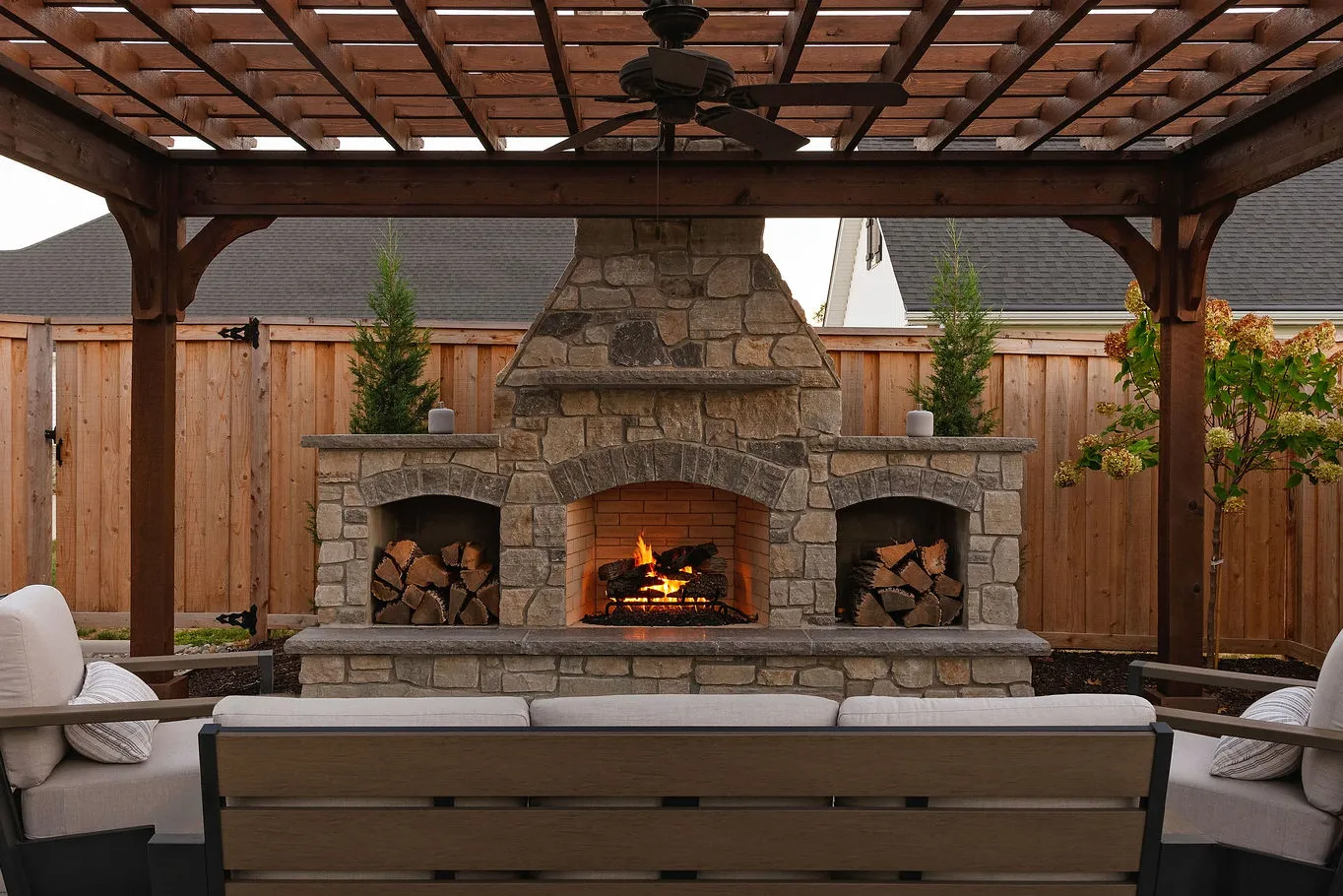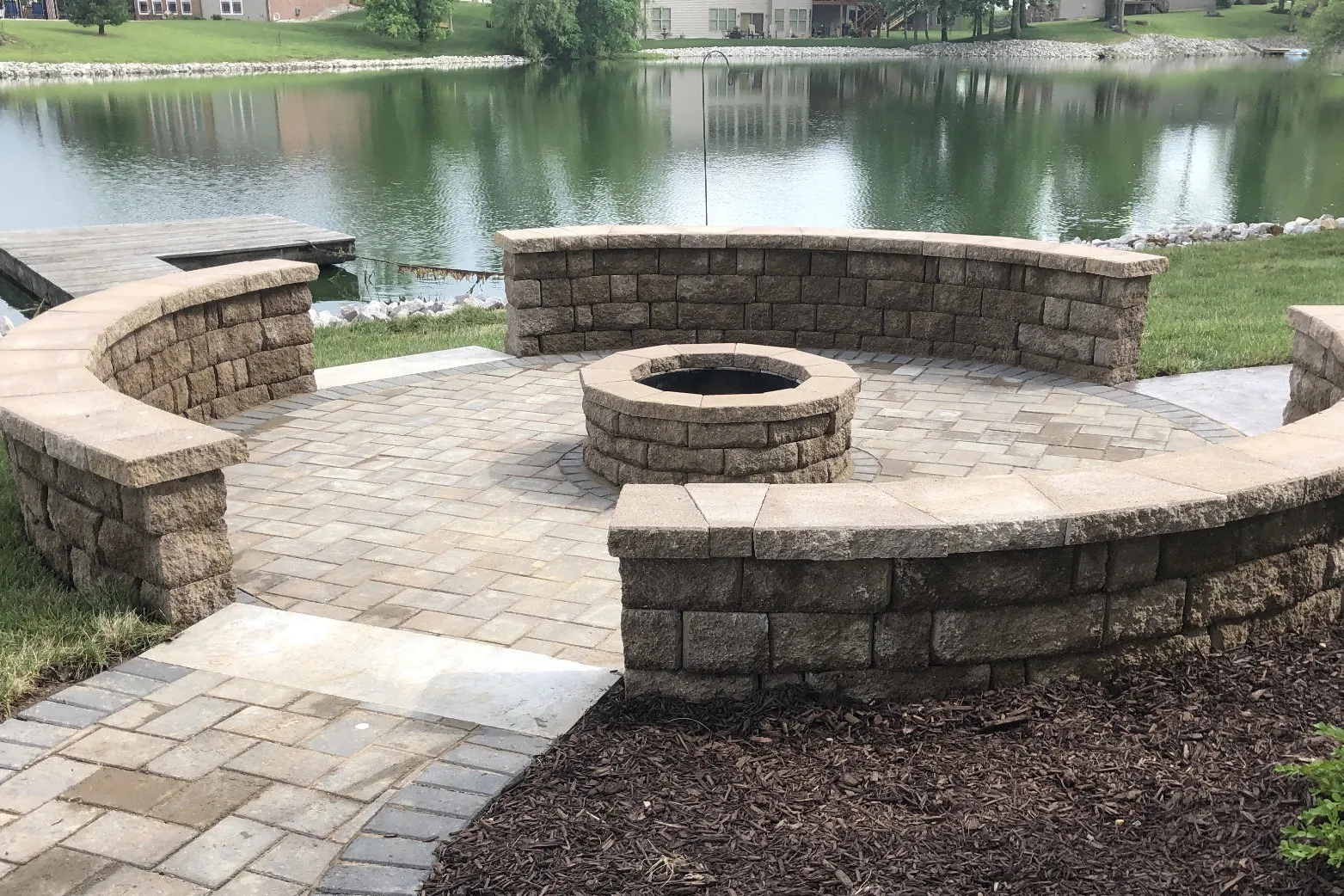

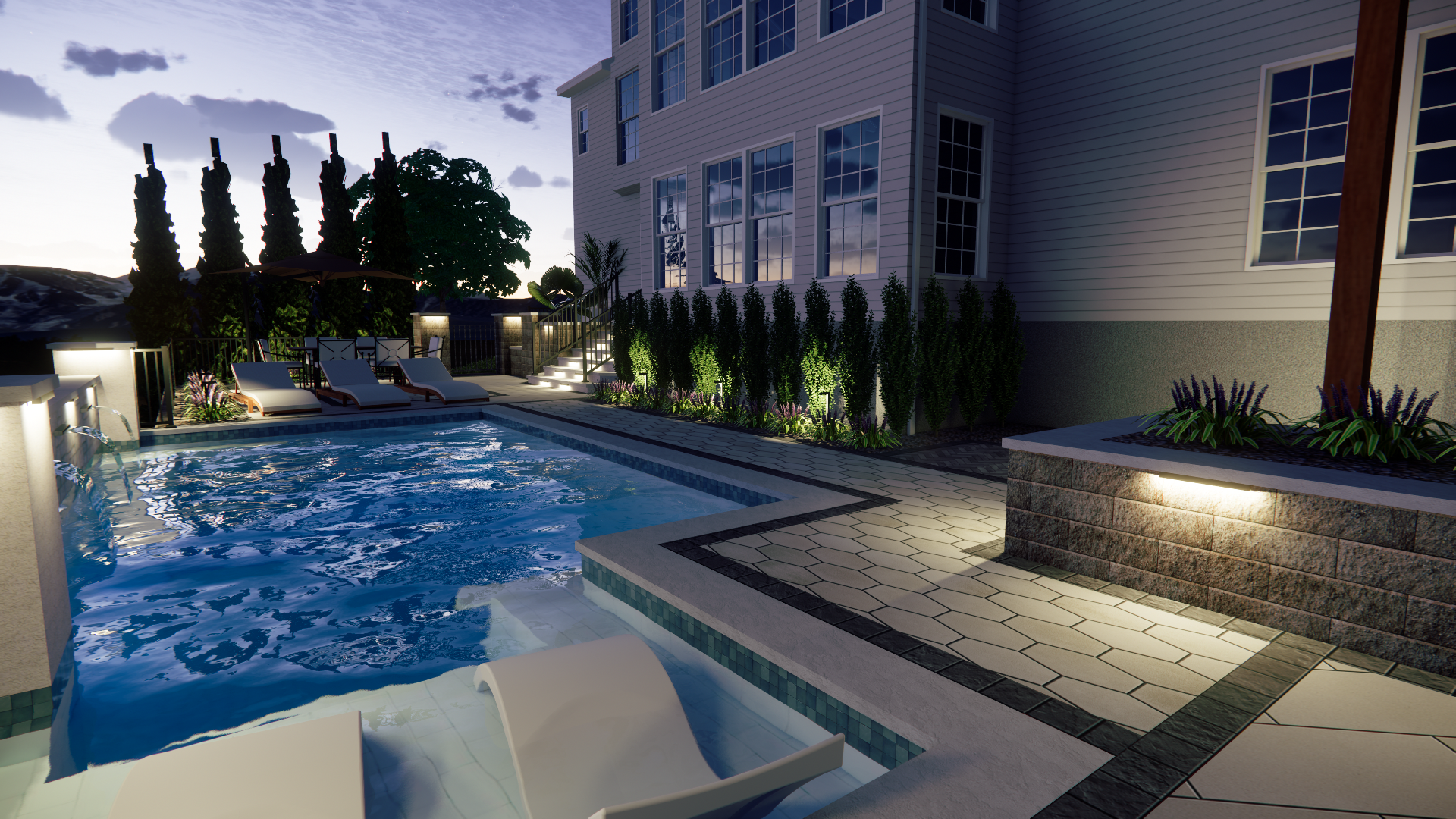
Landscape and pool design represents the full breadth of our design work — from front landscape beds to complete backyard environments with pools, patios, pavilions, retaining walls, kitchens, and fire features.
Our Design Engagements are structured and tested. The focus is creative planning first — resolving layout, proportion, and spatial relationships before.
Permitting and installation documentation are developed once a project is scheduled and prepared for production. Because design and construction remain connected, nothing lost in translation. Good design serves both the creative vision and the realities of installation.
Every project begins with understanding what you're going for. What are you imagining? How do you want to use the space? Where do you naturally gather? Are you going for entertaining, curb appeal or to unwind? Should the space feel expansive and social — or peaceful and secluded?
We start by establishing criteria for the early concepts: view angles, foot traffic, gathering zones, elevation differences, and how things like a pool deck or pavilion shapes the experience. From there, we test ideas — and sometimes intentionally break them — to see what ideas emerge. We then draw these conceptual ideas for our Draft meeting.
Movement through the space is also important. You shouldn’t have to squeeze around furniture, cut across wet deck to reach the lawn, or route guests through private areas to access the back.
Homeowners benefit most when they think beyond individual elements and consider how the entire space interacts with itself. Think less, "placing features" and more "shaping space."
While early brainstorming begins with hand sketches, the design moves into a 3D CAD program early in the process. Working in CAD allows us to draw to scale using exact site measurements and 3D scans of your property.
We measure elevations with tools like Zip-levels and verify distances on site. Concepts are built against real topography, not assumptions. Creative exploration still leads the process — but if something isn’t feasible, we identify that before construction begins.
Rendered models allow us to walk through the space digitally and produce fly-through videos for discussion and refinement. The same model becomes the foundation for technical documentation.
Designing in CAD also allows us to quantify materials accurately. We can measure square footage, linear footage, excavation volumes, and utility distances directly from the model. We are not estimating deck size by eye or guessing how far a gas line needs to run.
Installation details are developed in the same environment as the design. Pool layouts are drawn in-house and sent to our engineer for review and stamping. Pavilion and structural concepts are coordinated with licensed professionals for final stamped drawings. Permitting and HOA submittals are prepared from the same working model.
Maintaining continuity from concept through documentation reduces misinterpretation during construction and keeps the project aligned with the original design intent.
Design fees vary based on scope and site complexity.
Projects centered around patio and landscape reconfiguration typically begin around $1,000–$2,500 in design services. Projects with pools, pavilions or a complicated version of a service (like decks) often range from $3,000–$5,000+
Primary cost drivers include:
Design Considerations
How the space will be used, how people move through it, elevation differences, view angles from the home, and how elements like pools and pavilions shape the overall experience.
Common Pairings
Pools, patios, pavilions, retaining walls, landscape beds, outdoor kitchens and outdoor fireplaces
Pricing Factors
Typically $1k–$5k+. Service complexity, elevation change, and overall property scale influence design effort.
Service hero background image only maybe vh67 and since the content overlaps it some making it the level
Similar look where it looks like a page that overlaps the hero some. background black. Contains a left side for a rich text element for the content, a section for service specific FAQ, and on the right side a "at a glance" card with a rich text element. We need to find a way to show projects that feature this service. I added service tags to the portfolio cms.
H1 within the second section. hero only has image. so H1 is still first words on the page.
Rich Text for:
"What is it"
intro description explaining the problems the service solves, situations where it makes sense. Functinoal improvements, clarifies use cases and the value it brings to a space.
"Design Considerations" + Oten paired with
this talks about how its used and design in a space. other elements to consider mixiing this with. typical site constraints, scale etc. Talk about the kinds of materials used.
"How it's built"
talk about what goes into building this element. This could be as simple as describing the trenching for the gas line or complicated as the steps to a pool build. Talk about the the base that makes it last, the framing that gives it shape, and the finishes that make details count. Things like utilities, code restrictions and typical permiting requirements.
"Pricing Factors"
Talk about typical pricing ranges, what conditions affect the price more or less than others. Things that people "think is expensive but isnt" and "what peopled dont think is expensive but is." Scale obviously impacts price but so does installation complexity. talk about what that complexity looks like for each service.
"Service FAQ"
a service specific faq based on the faq cms filtered to the service. include the featured faqs at the end. I plan to have 2-3 featured ones about getting started.
"At A Glance"
floating card on the right
- Considerations: 2-3 sentences about its value, use in designs, and pairings.
- Pricing: 2 ranges with descriptions
- Featured projects: Is there a way to make a mini slider with the project name? Is that too much and just list 3-4 project names with the arrow icon?
- CTA to portfolio & get Started
"Photos of Service"
Condense the current 3 photos into a multi photo
"Related projects"
Some kind of ribon or grid showing related projects. The projects cms have a multi-picklist to tag services used on that project and can be used to filter matching projects here. The challenge